
What Tools Are Used for Flood Damage Cleanup?
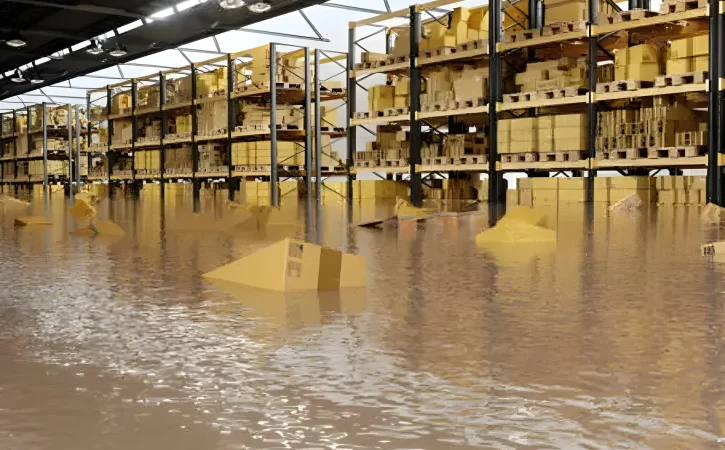
When water enters a home or commercial property, quick action can make a major difference. Floodwater can damage flooring, walls, furniture, electrical systems, and personal belongings within a short time. Professional flood damage cleanup teams use specialized tools to remove standing water, dry affected areas, control moisture, clean contaminated surfaces, and restore damaged materials.
A professional cleanup process does more than simply remove visible water. It identifies hidden moisture and prevents secondary problems such as mold growth, odors, structural deterioration, and further property damage. Understanding the tools used during cleanup can help property owners recognize why professional services are valuable after a serious flood.
What Water Extraction Tools Are Used for Flood Damage Cleanup?
The first step in many cleanup projects involves removing standing water. Professionals use powerful water extraction equipment to collect large amounts of water quickly.
Submersible Pumps
Submersible pumps work well when a basement or other area contains several inches of standing water. Technicians place the pump directly into the flooded area and use hoses to move water away from the property.
These pumps can remove large quantities of water much faster than household equipment. Rapid extraction also helps reduce the time that building materials remain saturated.
Wet/Dry Vacuums
Wet/dry vacuums help technicians remove remaining water from floors, carpets, and other surfaces after bulk extraction. They can reach smaller areas where larger pumps cannot operate effectively.
Professionals often use commercial-grade vacuums because they provide stronger suction and larger collection capacity than standard household models.
Which Drying Equipment Supports Flood Restoration?
Removing visible water is only part of the process. Building materials can retain moisture long after the floor looks dry. Professional flood restoration teams therefore use specialized drying equipment to remove moisture from the air and affected materials.
Air Movers
Air movers circulate large volumes of air across wet surfaces. This increased airflow helps moisture evaporate from carpets, walls, floors, and furniture.
Technicians position air movers strategically to improve circulation throughout the affected space. Proper placement can significantly improve drying efficiency.
Dehumidifiers
As water evaporates, indoor humidity can rise. High humidity slows drying and creates favorable conditions for mold growth.
Commercial dehumidifiers remove moisture from the air and help maintain an environment that supports faster structural drying. Restoration professionals may use different types of dehumidifiers depending on the size and condition of the affected area.
Air Scrubbers
Air scrubbers help improve indoor air quality during cleanup. These machines draw contaminated air through filtration systems that capture airborne particles.
When floodwater contains dirt, debris, or other contaminants, air filtration can become an important part of the restoration process. Air scrubbers also help control dust and odors during certain cleanup activities.
How Do Moisture Detection Tools Help During Flood Damage Cleanup?
One of the biggest challenges after flooding involves finding moisture that cannot be seen. Water can move behind walls, under flooring, and into insulation. Moisture detection tools help professionals locate these hidden areas.
Moisture Meters
Moisture meters measure moisture levels inside materials such as drywall, wood, and flooring. Technicians can compare readings from affected and unaffected areas to determine how much drying remains.
These measurements also help professionals decide whether a material can be dried or requires removal.
Thermal Imaging Cameras
Thermal imaging cameras detect temperature differences across surfaces. Since wet areas can have different thermal characteristics from dry areas, technicians can use thermal imaging to identify potential moisture problems.
Thermal cameras do not replace moisture meters, but they can help technicians investigate larger areas and locate suspicious sections that require closer testing.
What Cleaning Tools Are Used After Water Extraction?
Floodwater can leave behind dirt, bacteria, unpleasant odors, and other contaminants. Professionals use a range of cleaning tools and products to restore affected surfaces.
Commercial Cleaning Equipment
Professional teams may use pressure washers, scrubbers, extraction machines, and specialized cleaning tools depending on the type of surface and contamination.
For example, hard flooring may require mechanical scrubbing, while carpets may need specialized extraction equipment.
Disinfecting Equipment
Floodwater can introduce microorganisms into a property, particularly when the water comes from sewage, drains, or contaminated outdoor sources. Professionals use appropriate disinfecting products and application equipment based on the contamination level.
Technicians should follow product instructions and safety procedures when handling cleaning chemicals.
Which Tools Help With Mold Prevention and Removal?
Moisture that remains after a flood can create conditions that support mold growth. Restoration professionals use drying equipment and moisture monitoring tools to reduce this risk.
When mold is already present, technicians may use containment materials, HEPA-filtered equipment, air scrubbers, and specialized cleaning tools as appropriate.
HEPA filtration can help capture fine airborne particles during certain restoration and remediation activities. Professionals also use protective equipment to reduce exposure during contaminated cleanup work.
What Personal Protective Equipment Is Used During Flood Restoration?
Flood cleanup can involve more than water. Floodwater may contain sewage, chemicals, sharp debris, microorganisms, and other hazards. Professional technicians therefore use personal protective equipment, or PPE, when conditions require it.
Common PPE can include:
- Waterproof gloves
- Protective footwear
- Safety goggles
- Protective clothing
- Respirators when appropriate
- Hard hats for certain work environments
The exact equipment depends on the type of water, level of contamination, and work being performed.
How Do Containment Tools Improve Flood Damage Cleanup?
Containment equipment helps prevent contaminants and debris from spreading to unaffected areas. Restoration professionals may use plastic sheeting, barriers, protective coverings, and other containment materials.
Containment becomes especially useful when technicians remove damaged drywall, flooring, insulation, or other materials. Keeping the work zone controlled can make cleanup safer and more organized.
What Tools Are Used to Remove Damaged Materials?
Sometimes professionals cannot save water-damaged materials. If drywall, insulation, flooring, or other materials remain severely damaged, technicians may need to remove them.
They can use hand tools and professional construction equipment to carefully remove affected materials. Technicians must take care around electrical wiring, plumbing, structural components, and other hidden systems.
The goal is not to remove everything that became wet. Instead, professionals assess the material and determine whether appropriate drying and cleaning can restore it.
Why Is Professional Equipment Important for Flood Restoration?
Household fans, towels, and basic wet vacuums may help with minor water incidents, but significant flooding often requires more powerful equipment and systematic moisture monitoring.
Professional flood damage cleanup combines water extraction, structural drying, moisture detection, cleaning, and restoration. Using the right tools at the right stage can help reduce property damage and shorten the recovery process.
Experienced restoration teams also understand that every flood has different requirements. A small clean-water leak may need a different approach from extensive flooding involving contaminated water.
How Can Ideal Response Help With Flood Damage Cleanup?
After a flood, acting quickly can help limit additional damage. Ideal Response can provide a structured approach to water extraction, drying, moisture assessment, cleaning, and restoration based on the condition of the property.
Professionals can inspect affected areas, identify visible and hidden moisture, select appropriate equipment, and create a practical cleanup plan. This approach helps property owners avoid relying solely on guesswork when dealing with serious water damage.
What Should You Do Before Professional Flood Restoration Begins?
If your property experiences flooding, prioritize safety first. Avoid entering areas where electrical hazards may exist, especially when standing water is present. If the water may contain sewage or other contaminants, avoid direct contact and wait for trained professionals.
You can also document visible damage with photographs if it is safe to do so. Contacting a professional restoration provider promptly can help begin extraction and drying before the damage becomes more extensive.
Ideal Response understands that successful restoration requires more than removing standing water. Specialized extraction machines, air movers, dehumidifiers, moisture meters, thermal imaging cameras, air scrubbers, cleaning equipment, and protective gear each serve an important purpose. Together, these tools allow professionals to approach flood recovery systematically and efficiently.
How Do the Right Tools Make Flood Cleanup More Effective?
The right equipment allows restoration professionals to address both visible and hidden effects of flooding. Pumps remove standing water, vacuums handle residual moisture, air movers increase evaporation, and dehumidifiers control humidity. Moisture meters and thermal cameras help technicians confirm where moisture remains.
This combination makes professional flood restoration more thorough than simple surface cleaning. By addressing moisture at its source and monitoring drying progress, restoration teams can help protect the property’s structure, reduce the risk of mold, and return affected areas to a safer, usable condition.
When flooding occurs, fast response matters. Professional tools, proper procedures, and careful moisture monitoring can make the cleanup process more efficient while helping prevent small problems from becoming expensive long-term damage.

POPULAR POST
Which Health Plans Offer Pet Health Insurance

Pet Insurance Is Easy As AKC

Finding Discount Pet Supplies