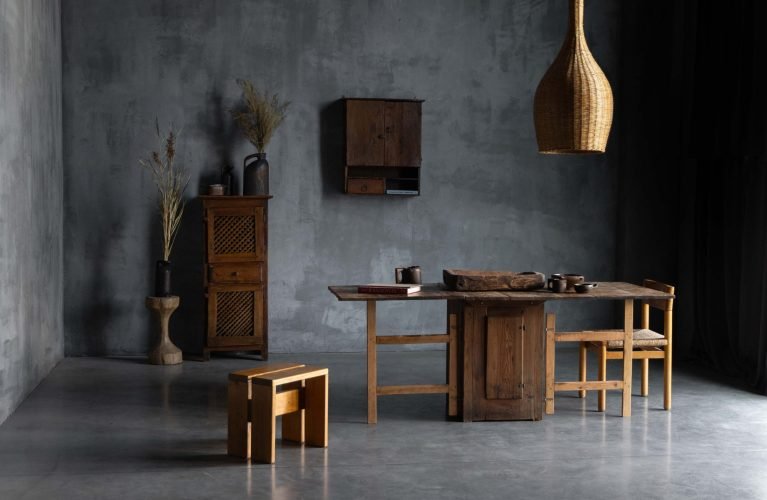
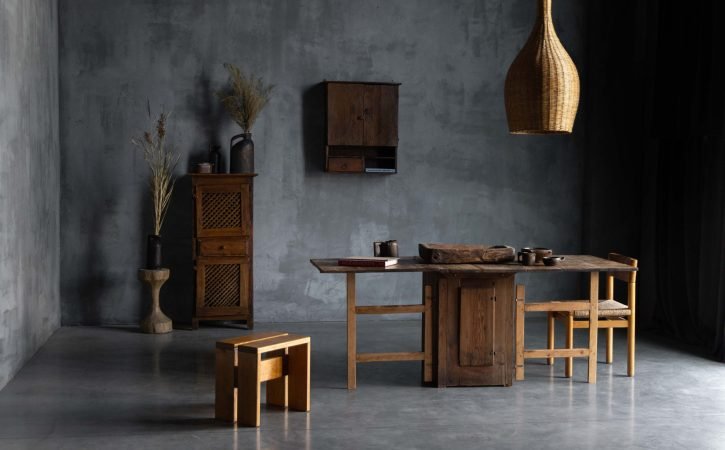
A thoughtfully designed interior is more than a beautiful arrangement of furniture. It is an expression of personality, lifestyle, and appreciation for craftsmanship. The most successful spaces combine comfort with visual character, creating an atmosphere that feels both inviting and distinctive. This is where Functional Art plays an important role, transforming everyday furniture into objects that contribute to the artistic identity of a room.
Across decades, influential designers have demonstrated that furniture can become a lasting design statement. From the structural innovation of Jean Prouvé to the organic beauty of Nakashima, their work continues to influence how designers and collectors approach contemporary interiors.
Why Functional Art Matters in Contemporary Interiors
The concept of Functional Art is based on a simple yet powerful idea: furniture should be useful, but it should also inspire. A well-designed piece can provide comfort while introducing sculptural form, texture, proportion, and personality.
This approach is especially relevant to modern interior design, where minimalism often places greater emphasis on individual objects. When a room contains fewer pieces, each item becomes more important. A distinctive chair, sofa, or table can become the visual centerpiece without requiring excessive decoration.
Functional furniture therefore becomes part of the architecture of the space. Its shape, material, and position can influence how people move through and experience an interior.
The Industrial Elegance of Jean Prouvé
The legacy of Jean Prouvé continues to demonstrate the power of honest construction. His approach combined engineering, industrial production, and furniture design to create pieces that were both practical and visually distinctive.
Prouvé understood that structure itself could become an aesthetic feature. Instead of hiding how furniture was made, his designs often celebrated construction and material relationships.
This philosophy remains relevant for contemporary interiors that favor authentic materials and understated sophistication. Furniture influenced by Prouvé can add an industrial character without making a room feel harsh or overly utilitarian.
Italian Design and the Language of Modern Comfort
The contribution of Afra & Tobia Scarpa to modern furniture demonstrates how innovation can coexist with elegance. Their designs explored materials, ergonomics, and construction while maintaining a refined visual language.
At the same time, Mario Bellini became known for pushing the boundaries of conventional furniture design. His expressive forms helped redefine the relationship between furniture and the human body.
The Camaleonda remains one of the most recognizable examples of this philosophy. Its modular design and generous proportions allow it to adapt to different spaces while maintaining a distinctive identity. The enduring appeal of the Camaleonda demonstrates why flexible furniture continues to be valuable in contemporary homes.
A modular seating concept can make a large living room feel more intimate, provide flexibility for entertaining, and allow layouts to evolve as the needs of a household change.
Celebrating Natural Materials with Nakashima
The design philosophy associated with Nakashima offers an entirely different interpretation of modern furniture. Here, natural wood becomes an essential part of the artistic experience.
Rather than standardizing every surface, Nakashima-inspired furniture celebrates the natural character of timber. Grain patterns, organic contours, and subtle variations can make every piece feel unique.
This relationship with nature has become increasingly desirable in contemporary interiors. As homes incorporate more technology and artificial materials, natural wood introduces warmth and a tactile quality.
A single sculptural wooden table can create a striking contrast against stone flooring, glass surfaces, or minimalist walls. It can soften an architectural environment while maintaining a sophisticated appearance.
The Architectural Influence of Pierre Jeanneret
Furniture inspired by Pierre Jeanneret demonstrates how architecture can influence everyday objects. His distinctive designs are recognized for their geometric proportions, practical construction, and strong silhouettes.
This architectural approach is particularly effective in modern interiors because it allows furniture to provide structure. A well-positioned chair can define a reading area, while a desk or cabinet can establish a clear visual boundary within an open-plan environment.
Rather than treating furniture as an afterthought, this philosophy makes it an essential component of spatial planning.
A Modern Vision of Curated Furniture
The contemporary furniture market increasingly values individuality and design heritage. Consumers are looking for pieces that feel intentional rather than generic, with materials and forms that can remain relevant for many years.
The creative direction associated with boris devis reflects this interest in distinctive furniture and carefully considered environments. A Boris Devis designer approach emphasizes the importance of creating visual relationships between individual pieces and their surroundings.
For those discovering Goldwood by Boris furniture, this philosophy offers an opportunity to view furniture as part of a larger design composition. The right piece can establish the mood of an entire room.
Instead of beginning with accessories and adding furniture afterward, homeowners can start with a statement piece and build the rest of the interior around it. This creates a more cohesive and intentional result.
Antwerp as a Creative Design Destination
Antwerp has long been associated with creativity, artistic experimentation, and refined European aesthetics. Its cultural relationship with fashion, architecture, and visual arts provides an inspiring environment for contemporary furniture design.
The identity behind Goldwood by Boris Antwerp fits naturally into this creative landscape. European design traditions can be reinterpreted through contemporary materials, modern lifestyles, and changing ideas about luxury.
Likewise, Goldwood by Boris interiors can emphasize the importance of balance. A sophisticated room does not necessarily require elaborate decoration. Instead, it can rely on strong furniture forms, natural materials, carefully selected lighting, and thoughtful spatial composition.
The Lasting Appeal of a Design Collection
The Goldwood by Boris collection reflects a wider movement toward furniture that combines design heritage with contemporary living. Collectors are increasingly interested in pieces that possess recognizable character and lasting value.
The continued influence of Jean Prouvé, Afra & Tobia Scarpa, Mario Bellini, Nakashima, and Pierre Jeanneret proves that exceptional furniture can transcend its original era. Their designs remain relevant because they focus on principles that never become outdated: functionality, craftsmanship, proportion, material quality, and thoughtful design.
Ultimately, the best interiors are not created by following every passing trend. They are developed through intentional choices and an understanding of how furniture can influence the atmosphere of a space.
Functional Art offers a meaningful way to approach this process. It allows furniture to become part of the artistic experience of everyday life, combining beauty with purpose.
When iconic design influences are thoughtfully integrated into contemporary spaces, furniture becomes much more than something practical. It becomes a statement of taste, craftsmanship, and individuality—creating interiors that feel sophisticated today and remain inspiring for years to come.

POPULAR POST

Which Health Plans Offer Pet Health Insurance

Pet Insurance Is Easy As AKC

Finding Discount Pet Supplies