Is a Palate Expander Painful for Kids?
Parents often feel concerned when an orthodontist recommends a palate expander for their child. The first question that usually comes to mind is, “Will it hurt?” The good news is that a palate expander typically does not cause severe pain. Children may experience pressure, tightness, or mild soreness, especially after adjustments, but these feelings often improve quickly.
A palate expander helps widen the upper jaw when it is too narrow for proper dental development. By creating additional space, this orthodontic appliance can support better tooth alignment, improve the bite, and make room for permanent teeth. Understanding what children can expect can make the process feel much less intimidating.
What Is a Palate Expander for Kids?
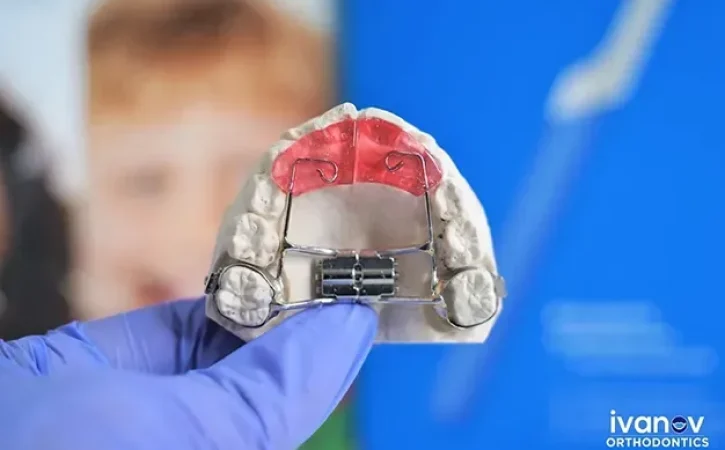
A palate expander is an orthodontic appliance designed to gradually widen the upper jaw. Orthodontists often recommend this treatment while a child’s upper jaw is still developing. At a younger age, the bones of the upper jaw can respond more effectively to controlled expansion.
Parents searching for information about palate expander kids should know that treatment varies from child to child. An orthodontist first examines the child’s teeth, jaw development, bite, and overall oral health. Based on these factors, the orthodontist determines whether expansion can provide a useful benefit.
The appliance applies gentle, controlled pressure to the upper jaw. This pressure encourages gradual widening rather than forcing the jaw to change suddenly.
Does a Palate Expander Hurt When It Is Placed?
The placement process generally does not cause significant pain. An orthodontist carefully fits the appliance to the child’s teeth and checks that it sits comfortably. Children may notice pressure or an unfamiliar feeling because the appliance is new.
During the first few days, your child may feel mild soreness around the teeth or roof of the mouth. Some children also describe a feeling of tightness. These sensations usually become easier to manage as the mouth adjusts.
Parents can help by explaining that the appliance may feel strange at first but that the treatment works gradually. A calm and positive explanation can reduce anxiety before the appointment.
What Does a Palate Expander Feel Like After an Adjustment?
Many palate expanders require regular activation according to the orthodontist’s instructions. Each activation creates controlled pressure that helps the upper jaw gradually expand.
Your child may notice:
- Mild pressure across the upper jaw
- Temporary tooth sensitivity
- Slight soreness
- A feeling of tightness
- Increased awareness of the appliance
These sensations do not necessarily mean something is wrong. In many cases, they indicate that the appliance is applying the intended pressure.
However, severe or persistent pain should not be ignored. If your child experiences significant discomfort, swelling, damaged appliance components, or pain that does not improve, contact the orthodontic office for guidance.
How Long Does Discomfort From a Palate Expander Last?
Discomfort usually varies depending on the child and the stage of treatment. Some children adjust quickly, while others need a little more time.
Mild pressure often feels strongest shortly after activation and gradually decreases. Children may also experience temporary changes in speaking or swallowing because their tongue needs time to adjust to the appliance.
Parents can make the adjustment period easier by offering softer foods when chewing feels uncomfortable. Encouraging regular brushing and following the orthodontist’s cleaning instructions also helps keep the mouth comfortable.
Most children become more accustomed to the appliance as treatment continues.
Why Might an Orthodontist Recommend a Palate Expander?
A narrow upper jaw can contribute to several orthodontic concerns. An orthodontist may recommend expansion when the upper jaw does not provide enough width for proper dental development.
Potential reasons for treatment include:
- Creating additional space for permanent teeth
- Addressing certain types of crossbite
- Improving the relationship between the upper and lower jaws
- Supporting better dental alignment
- Reducing crowding caused by a narrow upper arch
The goal is not simply to make the upper jaw wider. Instead, the orthodontist uses expansion to improve the overall relationship between the teeth and jaws.
What Can Kids Eat With a Palate Expander?
Eating with a new palate expander may require a short adjustment period. Sticky, very hard, or chewy foods can make cleaning more difficult and may increase the risk of damaging the appliance.
Parents can offer softer options such as:
- Yogurt
- Pasta
- Scrambled eggs
- Soft fruits
- Cooked vegetables
- Rice
- Smooth foods
As the child becomes comfortable, the orthodontist may provide more specific dietary guidance. Following these recommendations can help protect the appliance and keep treatment on schedule.
Can Kids Speak Normally With a Palate Expander?
Speech can sound slightly different when a child first receives a palate expander. The appliance occupies space in the mouth, so the tongue may need time to adapt.
Some children temporarily develop a slight lisp or find certain sounds harder to pronounce. Regular speaking and reading aloud can help the child become familiar with the appliance.
In most cases, speech improves as the mouth adjusts. If speech difficulties continue or seem unusual, parents should discuss them with the orthodontist.
How Can a Miami Lakes Orthodontist Make Treatment Easier?
Choosing an experienced miami lakes orthodontist can help parents feel more confident about their child’s treatment. A knowledgeable orthodontic team can explain why expansion is recommended, demonstrate how the appliance works, and provide clear instructions for home care.
At Ivanov Orthodontic Experts, the treatment process can be approached with a child-friendly focus. Parents can ask questions about discomfort, activation, cleaning, eating, and the expected treatment timeline before starting.
Good communication matters because children respond better when they understand what will happen. An orthodontic team that takes time to explain each step can make appointments and treatment feel less stressful.
How Can Parents Help Kids Adjust to a Palate Expander?
Parents play an important role throughout palate expansion. Start by keeping the conversation positive. Avoid describing the appliance as something painful or frightening. Instead, explain that it gently creates more space for healthy dental development.
Parents should also:
- Follow activation instructions carefully
- Encourage consistent oral hygiene
- Monitor the appliance for damage
- Provide comfortable foods when needed
- Attend scheduled orthodontic appointments
- Report unusual or severe discomfort
- Encourage the child to communicate how they feel
Children often take emotional cues from their parents. A calm attitude can help them approach treatment with greater confidence.
When Should Parents Contact the Orthodontist?
Mild pressure and temporary soreness can occur during palate expansion. However, parents should contact the orthodontic office if their child develops severe pain, significant swelling, bleeding, an appliance that becomes loose, or other unexpected problems.
Do not attempt to repair or adjust the appliance at home unless the orthodontist specifically instructs you to do so. Professional evaluation can identify the problem and prevent unnecessary delays in treatment.
Regular appointments also allow the orthodontist to monitor jaw development and make appropriate adjustments.
Is a Palate Expander a Good Option for Kids?
For children who need upper-jaw expansion, a palate expander can provide important orthodontic benefits. Although the appliance may cause temporary pressure or soreness, most children adapt with time and proper support.
The experience differs for every child, so parents should discuss their child’s specific needs with an orthodontic professional. Ivanov Orthodontic Experts can help families understand whether expansion may be appropriate and what they can expect throughout treatment.
Ultimately, the question is not simply whether a palate expander feels uncomfortable. Parents should also consider the potential long-term benefits of correcting jaw width and improving the foundation for proper tooth alignment. With professional guidance, good oral hygiene, and supportive care at home, many children can complete palate expansion successfully and move toward a healthier, more balanced smile.

POPULAR POST

Which Health Plans Offer Pet Health Insurance

Pet Insurance Is Easy As AKC

Finding Discount Pet Supplies