
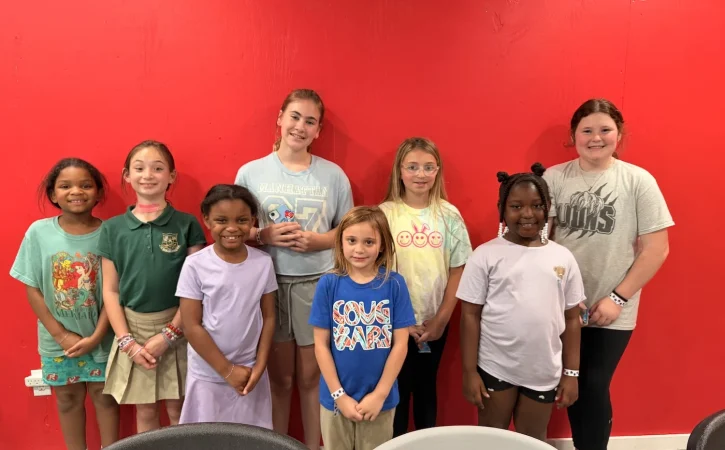
Dyslexia friendly schools create an inclusive learning environment where children with reading and writing difficulties can thrive. Unlike traditional schools, they adapt their teaching methods to suit different learning styles. These schools understand that children with dyslexia process information differently, and they design lessons that focus on strengths rather than limitations.
Teachers in dyslexia friendly schools receive specialized training to identify and support students with learning differences. They use structured literacy approaches, visual aids, and interactive tools to make learning easier and more engaging. This approach ensures that every child gets equal opportunities to succeed academically and personally.
At institutions like Dozier’s Academy, educators focus on personalized attention and tailored teaching strategies. This commitment helps students build confidence and overcome learning challenges effectively.
How Do Dyslexia Therapy Programs Improve Learning Outcomes?
Dyslexia therapy programs play a crucial role in helping children develop essential reading, writing, and comprehension skills. These programs use evidence-based techniques such as phonics instruction, multisensory learning, and repetition to strengthen neural pathways in the brain.
In dyslexia therapy programs, students engage in activities that combine visual, auditory, and kinesthetic learning. For example, they may trace letters while saying sounds aloud or use colored overlays to improve reading clarity. These techniques make learning more accessible and enjoyable.
Consistent participation in dyslexia therapy programs helps children improve their decoding skills, spelling accuracy, and reading fluency. Over time, students become more independent learners, which boosts their academic performance and self-esteem.
Why Is Multisensory Learning Important in Dyslexia Friendly Schools?
Multisensory learning forms the foundation of effective teaching in dyslexia friendly schools. This approach engages multiple senses at once, helping students better understand and retain information.
For instance, a teacher may combine visual aids, spoken instructions, and hands-on activities during a lesson. This method allows children to process information in ways that suit their unique learning styles. It also reduces frustration and enhances concentration.
By incorporating multisensory techniques, dyslexia friendly schools ensure that students do not rely solely on traditional reading methods. Instead, they develop a deeper understanding of concepts through interactive learning experiences.
How Do Individualized Learning Plans Support Students?
Every child with dyslexia has unique strengths and challenges. Dyslexia friendly schools recognize this and create individualized learning plans (ILPs) tailored to each student’s needs.
These plans outline specific goals, teaching strategies, and assessment methods. Teachers regularly monitor progress and adjust the plans as needed. This personalized approach ensures that students receive targeted support in areas where they struggle the most.
Individualized learning plans also help students stay motivated. When children see measurable progress, they feel encouraged to continue improving. Schools like Dozier’s Academy emphasize this approach to ensure long-term success for their students.
What Role Do Assistive Technologies Play in Learning?
Assistive technology has transformed the way students with dyslexia learn. Dyslexia friendly schools integrate tools such as text-to-speech software, audiobooks, and speech recognition programs into their curriculum.
These technologies help students access information more easily and complete tasks efficiently. For example, text-to-speech tools allow students to listen to written content, improving comprehension. Similarly, speech-to-text software enables them to express ideas without struggling with spelling.
By using assistive technology, dyslexia friendly schools empower students to overcome barriers and focus on learning rather than limitations.
How Do Teachers Build Confidence in Students with Dyslexia?
Confidence plays a vital role in a child’s academic journey. Dyslexia friendly schools prioritize emotional well-being alongside academic growth. Teachers create a supportive environment where mistakes become learning opportunities rather than setbacks.
They use positive reinforcement, celebrate achievements, and encourage students to participate actively in class. This approach helps children develop a growth mindset and believe in their abilities.
When students feel confident, they become more willing to take risks and explore new concepts. This confidence ultimately leads to better learning outcomes and overall development.
How Do Small Class Sizes Enhance Learning?
Small class sizes allow teachers to give individual attention to each student. Dyslexia friendly schools often maintain low student-to-teacher ratios to ensure personalized instruction.
In smaller classrooms, teachers can identify learning gaps quickly and provide immediate support. Students also feel more comfortable asking questions and expressing their concerns.
This close interaction fosters a strong teacher-student relationship, which is essential for effective learning. It also creates a safe and inclusive environment where students feel valued and understood.
How Do Parents Contribute to the Success of Dyslexia Friendly Schools?
Parental involvement plays a significant role in a child’s success. Dyslexia friendly schools encourage parents to actively participate in their child’s learning journey.
Schools provide guidance, resources, and regular updates to help parents support their children at home. Workshops and counseling sessions also help parents understand dyslexia and adopt effective strategies.
When parents and teachers work together, they create a consistent support system for the child. This collaboration enhances learning outcomes and ensures steady progress.
What Long-Term Benefits Do Dyslexia Friendly Schools Offer?
Dyslexia friendly schools do more than improve academic performance. They equip students with essential life skills such as problem-solving, critical thinking, and resilience.
Students learn to embrace their unique abilities and develop confidence in their strengths. They also gain independence and self-advocacy skills, which prepare them for future challenges.
By focusing on holistic development, dyslexia friendly schools help children achieve success not only in academics but also in personal and professional life.
Why Should You Choose Dyslexia Friendly Schools for Your Child?
Choosing the right school can make a significant difference in your child’s learning journey. Dyslexia friendly schools provide specialized support, personalized instruction, and a nurturing environment that fosters growth.
With the help of structured teaching methods, dyslexia therapy programs, and dedicated educators, these schools ensure that every child reaches their full potential. They focus on building confidence, improving skills, and creating a positive learning experience.
Institutions like Dozier’s Academy stand out by offering comprehensive support tailored to each student’s needs. Their commitment to excellence makes them a trusted choice for parents seeking effective education for children with dyslexia.
Final Thoughts: How Do Dyslexia Friendly Schools Transform Learning?
Dyslexia friendly schools transform the way children learn by focusing on their strengths and addressing their challenges with care and expertise. Through innovative teaching methods, personalized plans, and supportive environments, they help students achieve academic success and personal growth.
By integrating dyslexia therapy programs and modern learning tools, these schools ensure that no child feels left behind. Instead, every student gains the confidence and skills needed to succeed in life.
If you want your child to thrive despite learning challenges, choosing dyslexia friendly schools can be one of the most impactful decisions you make.

POPULAR POST

Which Health Plans Offer Pet Health Insurance

Pet Insurance Is Easy As AKC

Finding Discount Pet Supplies