
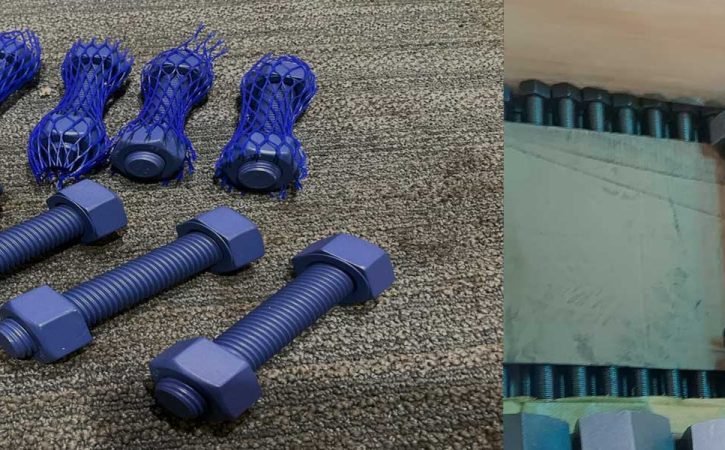
In industrial construction, manufacturing, and engineering applications, fasteners play a critical role in ensuring structural integrity, safety, and long-term performance. Among the many types of fasteners available today, ASTM A193 Grade B7 fasteners and Stainless Steel 304 Bolts are two of the most widely used due to their strength, reliability, and versatility. Each serves a unique purpose depending on operating conditions such as temperature, pressure, and corrosion exposure.
This blog explores the properties, applications, and key differences between ASTM A193 Grade B7 fasteners and Stainless Steel 304 Bolts, helping industries make informed choices.
What is ASTM A193 Grade B7?
ASTM A193 Grade B7 is a chromium-molybdenum alloy steel fastener specification designed primarily for high-temperature and high-pressure service. These fasteners are heat-treated through quenching and tempering to achieve exceptional tensile strength and durability.
Key Characteristics of ASTM A193 Grade B7:
-
High tensile strength and yield strength
-
Excellent performance in elevated temperatures
-
Suitable for high-pressure environments
-
Commonly supplied as studs, bolts, and threaded rods
ASTM A193 Grade B7 fasteners are widely used in industries such as oil & gas, petrochemical plants, power generation, refineries, and heavy engineering projects where strength and reliability are non-negotiable.
Applications of ASTM A193 Grade B7 Fasteners
The robust mechanical properties of ASTM A193 Grade B7 make it ideal for demanding environments. Common applications include:
-
Pressure vessels and boilers
-
Heat exchangers
-
Valves and flanges
-
Pipeline systems
-
Offshore platforms
Because of their strength, ASTM A193 Grade B7 fasteners are often paired with ASTM A194 Grade 2H nuts to ensure compatibility and optimal performance under stress.
What are Stainless Steel 304 Bolts?
Stainless Steel 304 Bolts are among the most popular stainless steel fasteners due to their excellent corrosion resistance and aesthetic appeal. Made from an austenitic stainless steel alloy containing chromium and nickel, these bolts offer a balanced combination of strength and corrosion protection.
Key Characteristics of Stainless Steel 304 Bolts:
-
Excellent resistance to corrosion and oxidation
-
Non-magnetic in annealed condition
-
Good strength and ductility
-
Suitable for clean and hygienic environments
Unlike carbon or alloy steel fasteners, Stainless Steel 304 Bolts do not require additional coatings for corrosion resistance, making them ideal for long-term outdoor and moisture-prone applications.
Applications of Stainless Steel 304 Bolts
Thanks to their corrosion resistance and clean finish, Stainless Steel 304 Bolts are commonly used in:
-
Food and beverage processing plants
-
Pharmaceutical equipment
-
Marine and coastal environments
-
Architectural structures
-
Chemical processing industries
They are especially preferred in applications where hygiene, appearance, and resistance to rust are critical.
ASTM A193 Grade B7 vs Stainless Steel 304 Bolts
While both fasteners are widely used, they serve different purposes:
-
Strength: ASTM A193 Grade B7 offers significantly higher tensile strength compared to Stainless Steel 304 Bolts.
-
Temperature Resistance: Grade B7 performs better in high-temperature and high-pressure conditions.
-
Corrosion Resistance: Stainless Steel 304 Bolts outperform Grade B7 in corrosive and humid environments.
-
Maintenance: Stainless Steel 304 Bolts require less maintenance due to their inherent corrosion resistance.
The choice between these fasteners depends on the operating environment and mechanical requirements of the project.
Choosing the Right Fastener for Your Project
Selecting the correct fastener is crucial for ensuring safety and efficiency. If your application involves extreme pressure and temperature, ASTM A193 Grade B7 fasteners are the preferred choice. On the other hand, if corrosion resistance, hygiene, or visual appeal is more important, Stainless Steel 304 Bolts provide a reliable solution.
Consulting with experienced fastener suppliers and adhering to international standards ensures that the selected fasteners meet performance expectations and regulatory requirements.
Conclusion
Both ASTM A193 Grade B7 fasteners and Stainless Steel 304 Bolts play vital roles across multiple industries. While Grade B7 fasteners excel in high-strength and high-temperature applications, Stainless Steel 304 Bolts are unmatched in corrosion resistance and cleanliness. Understanding their properties and applications helps engineers and procurement professionals make the right choice for long-term reliability and safety.
By investing in the correct fastener type, industries can enhance operational efficiency, reduce maintenance costs, and ensure structural integrity for years to come.

POPULAR POST

Which Health Plans Offer Pet Health Insurance

Pet Insurance Is Easy As AKC

Finding Discount Pet Supplies