Design history is a rich narrative shaped by culture, craftsmanship, philosophy, and innovation. Across different regions and historical periods, designers and communities have developed unique approaches to creating buildings, furniture, and everyday objects. These approaches often reflect local materials, environmental conditions, and cultural traditions. At the same time, modern design movements have introduced new ideas about function, technology, and aesthetics. Concepts such as Folk Art, Vernacular design, Alpine design, and Rustic furniture show the importance of tradition, while movements like Art Deco and Mid-Century Design demonstrate the influence of industrial progress. Influential designers and thinkers including Dom Hans van der Laan, Pierre Chapo, Charlotte Perriand, and Jean Prouvé further expanded the possibilities of design by combining creativity with functional thinking.
Folk art represents the cultural creativity of communities and everyday people. Unlike academic art, which is often created by professionally trained artists, folk art is usually produced by local craftsmen and artisans who learn their skills through tradition and practice. Folk art objects can include painted furniture, embroidered textiles, pottery, wood carvings, and decorative household items. These pieces are often colorful and symbolic, reflecting the cultural beliefs, celebrations, and traditions of a community. Folk art is valued not only for its visual appeal but also for the cultural stories and identities it preserves.
Vernacular design shares similar roots with folk art but is more closely associated with architecture and building techniques. Vernacular architecture evolves naturally over time as communities develop practical solutions for living in specific environments. Instead of following formal architectural theories, vernacular structures rely on local knowledge and available resources. For example, houses in hot climates may feature thick walls and shaded courtyards to maintain cool temperatures, while buildings in colder regions might use stone walls and steep roofs to handle snow. Vernacular design is increasingly appreciated in contemporary architecture because of its sustainability and its ability to respond effectively to environmental conditions.
Alpine design originates from the mountainous regions of Europe, particularly the Alps. Life in these areas requires buildings and furniture that can withstand cold temperatures, strong winds, and heavy snowfall. Traditional Alpine homes, often called chalets, are constructed with strong timber frames and stone bases. Interiors emphasize warmth and comfort through wooden furniture, wool textiles, and soft lighting. The design often includes decorative carvings and handcrafted details that reflect regional traditions. Today, Alpine design continues to influence modern mountain homes that combine traditional materials with contemporary architectural techniques.
Rural design reflects the lifestyle and simplicity of countryside living. In rural environments, practicality and durability are essential. Interiors inspired by rural design typically include natural materials such as wood, stone, clay, and woven fibers. Furniture is often handmade and designed to last for many years. Rural design spaces usually feel calm, warm, and welcoming because they focus on natural textures and functional layouts. In modern interior design, rural aesthetics are often used to create spaces that feel grounded and connected to nature.
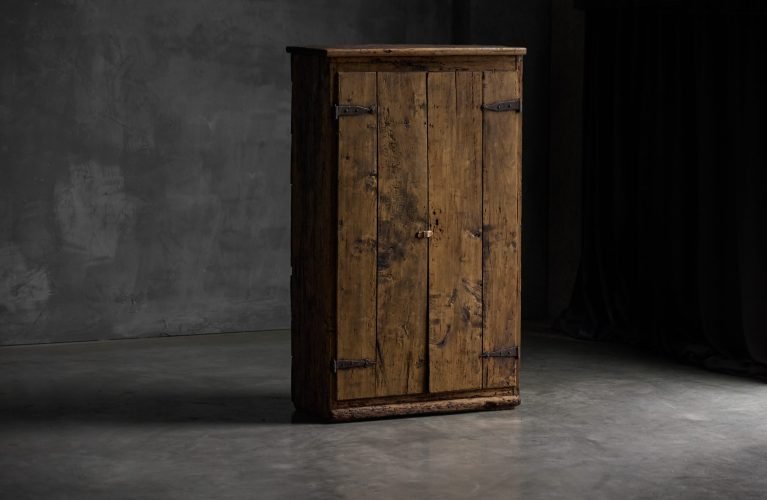
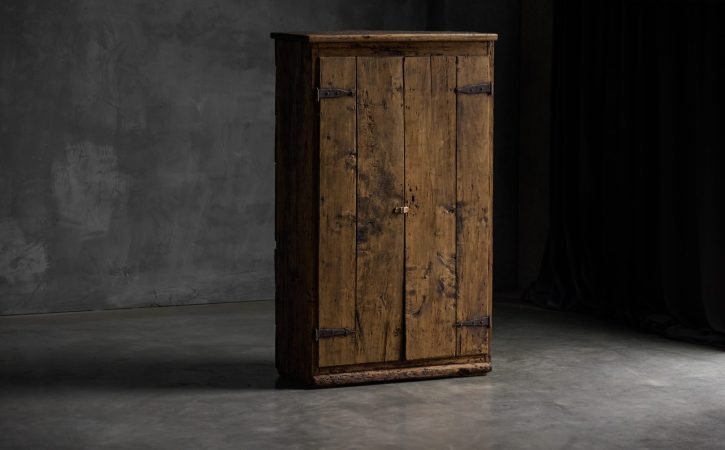
Rustic furniture is a key component of rural and countryside design. Rustic pieces are known for their strong construction and natural appearance. They are often made from solid wood that retains its natural grain patterns, knots, and imperfections. Instead of polishing or concealing these details, rustic furniture celebrates them as part of the design. Large wooden dining tables, sturdy benches, and handcrafted storage cabinets are typical examples. Rustic furniture creates a sense of warmth and authenticity that many modern interiors try to achieve by incorporating natural materials and handcrafted elements.
The architectural theories of Dom Hans van der Laan introduced a unique perspective on the role of proportion in design. Van der Laan, a Dutch Benedictine monk and architect, believed that architecture should create harmony between human perception and spatial structure. He developed the concept of the “Plastic Number,” a mathematical proportion used to create balanced architectural compositions. For Van der Laan, architecture was not simply about building structures but about shaping spaces that feel natural and harmonious to human senses. His work, particularly in monastery architecture, reflects a minimalist style focused on proportion, order, and spiritual calm.
The Japanese philosophy of Wabi Sabi offers another important approach to design. Wabi Sabi celebrates imperfection, simplicity, and the beauty of natural aging. In this philosophy, objects that show signs of wear, irregular shapes, or subtle imperfections are often considered more beautiful than flawless ones. A cracked ceramic bowl or weathered wooden table may hold deep aesthetic value because it reflects the passage of time and the authenticity of materials. Interiors inspired by Wabi Sabi are typically minimal, with neutral colors, natural textures, and carefully chosen objects that emphasize quiet elegance and balance.
The Amsterdamse School represents a distinctive architectural movement that emerged in the Netherlands during the early twentieth century. This movement is known for its expressive architecture and artistic use of brick. Buildings designed in this style often feature sculptural shapes, curved facades, and intricate brick patterns. Architects of the Amsterdamse School believed that buildings should express creativity and emotion rather than simply serve functional purposes. The movement extended beyond architecture into furniture and interior design, creating a cohesive artistic style that celebrated craftsmanship and decorative detail.
Art Deco is one of the most recognizable design movements of the twentieth century. It emerged during the 1920s and 1930s and symbolized modern luxury, glamour, and technological progress. Art Deco design is characterized by bold geometric forms, symmetrical compositions, and the use of luxurious materials such as chrome, glass, marble, lacquer, and exotic woods. Designers were inspired by both modern industrial technology and ancient artistic traditions from cultures such as Egypt and Mesopotamia. Art Deco architecture and decorative objects reflect the optimism and excitement of a rapidly modernizing world.
Mid-Century Design developed after World War II and introduced a new vision of modern living. Designers during this period focused on creating furniture and interiors that were simple, practical, and accessible to a growing middle class. They experimented with new materials such as molded plywood, fiberglass, and aluminum to create lightweight and affordable furniture. Mid-Century interiors often feature open floor plans, large windows, and furniture with clean lines and organic shapes. This style remains highly influential in contemporary design because of its timeless simplicity and functional elegance.
Brazilian design brought a unique cultural perspective to modern architecture and furniture. In the mid-twentieth century, Brazilian designers combined international modernist ideas with local materials and cultural influences. Furniture designs often incorporated tropical hardwoods, woven cane, and smooth, curved forms inspired by the natural landscape. Brazilian design is known for its balance between modern sophistication and natural warmth, creating spaces and objects that feel both elegant and comfortable.
Pierre Chapo was a French furniture designer known for his exceptional woodworking skills and commitment to structural clarity. His furniture pieces highlight the natural beauty of solid wood and often feature visible joinery techniques. Chapo believed that furniture should express honesty in both materials and construction. Rather than hiding structural elements, he made them a central part of the design. His work demonstrates how careful craftsmanship and simple forms can create timeless furniture.
Charlotte Perriand was a pioneering designer who helped shape modern interior design and furniture. She believed that design should improve everyday life and reflect social and environmental realities. Perriand worked with both industrial materials and natural elements, creating furniture that combined modern technology with human comfort. Her work influenced many later designers who sought to balance functionality with aesthetic beauty.
Functional art represents a creative approach where objects are designed to be both useful and artistic. Instead of separating art from everyday life, functional art brings artistic creativity into practical objects. Handmade ceramics, sculptural chairs, decorative lighting, and artistic furniture are examples of this approach. Functional art encourages designers to think beyond basic utility and consider how everyday objects can inspire emotional and aesthetic experiences.
Jean Prouvé was a French designer and engineer who revolutionized modern furniture and architectural design through his innovative use of industrial materials. He believed that design should follow the logic of engineering and efficiency. Many of his furniture pieces use metal frames, folded steel components, and modular structures that can be easily assembled and transported. Prouvé’s work represents a powerful combination of technical precision and elegant design.
These diverse movements and thinkers demonstrate the evolution of design across cultures and historical periods. From the traditional craftsmanship of folk art to the industrial innovation of modern designers, each movement contributes valuable ideas about how people interact with objects and spaces. By studying these influences, designers and historians gain a deeper understanding of how creativity, culture, and function work together to shape the built environment and the objects that surround us.