
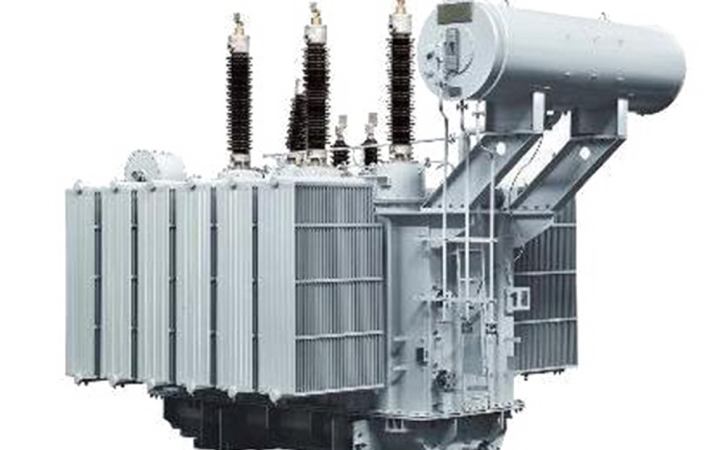
Electricity is the backbone of modern civilization, and behind every illuminated home, running factory, and powered office lies a robust network of electrical infrastructure. At the heart of this system are transformers—devices that regulate voltage levels to ensure safe and efficient power delivery. Among the most essential types are the Power Distribution Transformer and the Pad Mounted Transformer, both playing crucial roles in delivering electricity from substations to end users.
Understanding the Role of a Power Distribution Transformer
A Power Distribution Transformer is a critical component in the electrical distribution system. It is designed to step down high transmission voltages to lower levels suitable for residential, commercial, and industrial consumption. After electricity travels long distances through high-voltage transmission lines, it must be reduced to safer, usable voltage levels before entering homes and businesses.
Typically installed near end users, these transformers operate continuously, ensuring a stable and reliable power supply. They are engineered for maximum efficiency at lower loads because they function 24/7. Their performance directly impacts energy efficiency, voltage regulation, and overall power quality.
Key features of a Power Distribution Transformer include:
-
High efficiency at partial loads
-
Reliable voltage regulation
-
Low energy losses
-
Durable insulation systems
-
Long operational lifespan
These transformers are commonly mounted on utility poles, inside substations, or on ground-level platforms, depending on the installation environment and regional infrastructure requirements.
What Is a Pad Mounted Transformer?
A Pad Mounted Transformer is a type of distribution transformer installed at ground level and enclosed in a secure, locked steel cabinet. It is mounted on a concrete pad, hence the name. This design is particularly common in underground distribution systems where overhead power lines are not used.
Pad mounted transformers are widely used in residential neighborhoods, commercial complexes, schools, hospitals, and industrial facilities. Their tamper-resistant and weatherproof enclosures make them safe for public areas while protecting internal components from environmental damage.
These transformers are especially beneficial in urban and suburban developments where aesthetics, safety, and space efficiency are important considerations.
Key Differences Between Power Distribution Transformer and Pad Mounted Transformer
Although both serve similar voltage reduction purposes, there are notable differences between the two:
Installation Style
A Power Distribution Transformer may be pole-mounted or installed within substations. In contrast, a Pad Mounted Transformer is always ground-mounted on a concrete pad.
Application Environment
Power Distribution Transformers are versatile and can be used in both overhead and underground systems. Pad Mounted Transformers are specifically designed for underground electrical distribution networks.
Safety and Accessibility
Pad mounted transformers are fully enclosed and tamper-resistant, making them safer in public areas. Traditional pole-mounted distribution transformers are elevated, reducing public access but not enclosed in the same way.
Aesthetic Appeal
Urban planning often favors Pad Mounted Transformers because they eliminate overhead lines, contributing to cleaner and more visually appealing neighborhoods.
Applications in Residential and Commercial Settings
In residential areas, a Pad Mounted Transformer typically serves multiple homes within a subdivision. It receives medium-voltage electricity from underground cables and steps it down to the standard voltage required by households.
Commercial and industrial applications may use larger Power Distribution Transformers to handle higher electrical loads. Manufacturing plants, shopping centers, and office complexes rely heavily on these transformers to maintain consistent and stable operations.
In renewable energy systems, such as solar and wind farms, both transformer types are used to manage voltage adjustments before electricity is fed into the grid. Their efficiency and reliability ensure minimal energy loss during the conversion process.
Benefits of Modern Transformer Technology
Advancements in transformer design have significantly improved energy efficiency, sustainability, and reliability. Modern Power Distribution Transformer models use advanced core materials that reduce no-load losses. Improved insulation systems extend operational life while minimizing maintenance requirements.
Similarly, today’s Pad Mounted Transformer units incorporate enhanced safety mechanisms, pressure relief systems, and corrosion-resistant coatings. Many manufacturers now design eco-friendly transformers using biodegradable insulating fluids to reduce environmental risks.
Some of the primary benefits include:
-
Reduced operational costs
-
Enhanced grid reliability
-
Lower carbon footprint
-
Improved public safety
-
Longer service life
These improvements are especially important as global electricity demand continues to rise due to population growth, urbanization, and technological expansion.
Choosing the Right Transformer for Your Project
Selecting between a Power Distribution Transformer and a Pad Mounted Transformer depends on several factors:
-
Type of distribution network (overhead or underground)
-
Load requirements
-
Installation environment
-
Safety regulations
-
Budget considerations
-
Aesthetic requirements
For rural or remote areas with overhead lines, pole-mounted Power Distribution Transformers may be more practical. In contrast, newly developed residential communities with underground cabling systems typically benefit from Pad Mounted Transformers.
Consulting with electrical engineers and utility providers ensures that the chosen transformer meets both performance and compliance standards.
The Future of Power Distribution
As smart grids and renewable energy integration become more widespread, transformers are evolving to support advanced monitoring and automation. Digital sensors and IoT-based diagnostics are increasingly integrated into both Power Distribution Transformer and Pad Mounted Transformer systems. These technologies allow real-time performance tracking, predictive maintenance, and rapid fault detection.
This modernization enhances grid resilience, reduces downtime, and supports sustainable energy initiatives worldwide.
Conclusion
The Power Distribution Transformer and Pad Mounted Transformer are indispensable components of modern electrical infrastructure. While both perform the essential task of voltage reduction, their design, installation, and application environments differ significantly. Together, they ensure safe, efficient, and reliable electricity delivery to homes, businesses, and industries.
As the demand for energy grows and technology advances, these transformers will continue to play a vital role in building smarter, safer, and more efficient power distribution networks across the globe.

POPULAR POST

Which Health Plans Offer Pet Health Insurance

Pet Insurance Is Easy As AKC

Finding Discount Pet Supplies