
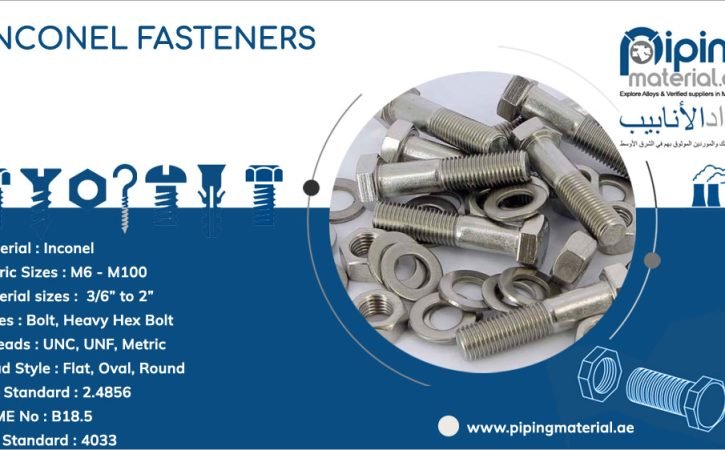
In industries where performance, durability, and resistance to extreme environments are non-negotiable, the choice of fasteners plays a critical role. Standard steel fasteners often fail when exposed to high temperatures, intense pressure, or corrosive chemicals. This is where specialty alloys like inconel bolts and hastelloy bolts come into play. Designed to withstand some of the harshest operating conditions, these advanced fasteners are essential in sectors such as aerospace, chemical processing, oil and gas, and power generation.
Understanding Inconel Bolts
Inconel bolts are manufactured from a family of nickel-chromium-based superalloys known for their exceptional strength and oxidation resistance at elevated temperatures. Unlike conventional fasteners, inconel bolts maintain their mechanical properties even when exposed to temperatures exceeding 1000°C. This makes them ideal for high-heat applications where thermal stability is crucial.
One of the standout features of inconel bolts is their resistance to corrosion and scaling in extreme environments. They perform exceptionally well in oxidizing and reducing atmospheres, making them suitable for jet engines, gas turbines, exhaust systems, and nuclear reactors. Inconel alloys also offer excellent fatigue resistance, which ensures long service life under cyclic loading and vibration.
Industries choose inconel bolts not only for their durability but also for their reliability in critical applications. When equipment failure can lead to safety hazards or costly downtime, inconel fasteners provide peace of mind through consistent performance.
What Makes Hastelloy Bolts Unique?
While inconel bolts excel in high-temperature environments, hastelloy bolts are especially valued for their outstanding corrosion resistance. Hastelloy is a nickel-based alloy containing elements such as molybdenum, chromium, and iron, which enhance its ability to resist chemical attack. Hastelloy bolts are particularly effective in environments involving strong acids, chlorides, and aggressive chemicals.
Hastelloy bolts are widely used in chemical processing plants, pharmaceutical manufacturing, pollution control systems, and offshore oil platforms. They resist pitting, crevice corrosion, and stress corrosion cracking, even under high pressure and temperature conditions. This makes them a preferred choice in applications where chemical exposure is continuous and severe.
Another advantage of hastelloy bolts is their excellent fabricability and weldability compared to many other high-performance alloys. Despite their strength, they can be machined and installed with precision, ensuring secure fastening in complex assemblies.
Comparing Inconel Bolts and Hastelloy Bolts
Although both inconel bolts and hastelloy bolts are nickel-based alloys designed for extreme conditions, their primary strengths differ. Inconel bolts are best suited for applications involving high heat and mechanical stress, while hastelloy bolts are optimized for resistance to chemical corrosion.
For example, in aerospace and power generation, where components face intense heat and pressure, inconel bolts are often the first choice. On the other hand, in chemical reactors or acid processing units, hastelloy bolts offer superior longevity due to their exceptional corrosion resistance.
Selecting between these two types of fasteners depends on the specific operating environment. Factors such as temperature range, chemical exposure, pressure, and mechanical load must be carefully evaluated to ensure optimal performance and safety.
Applications Across Industries
Both inconel bolts and hastelloy bolts are indispensable in modern industrial applications. Common industries that rely on these fasteners include:
-
Aerospace and aviation for engines, exhaust systems, and structural components
-
Oil and gas for offshore platforms, pipelines, and refineries
-
Chemical processing for reactors, heat exchangers, and storage vessels
-
Power generation for turbines, boilers, and nuclear facilities
-
Marine engineering for components exposed to saltwater and harsh environments
Their ability to perform reliably under extreme conditions significantly reduces maintenance requirements and operational risks.
Choosing the Right Supplier
When sourcing inconel bolts or hastelloy bolts, quality and certification are crucial. Reputable manufacturers and suppliers ensure that fasteners meet international standards such as ASTM, ASME, and ISO. Proper material traceability, testing, and compliance with specifications guarantee that the bolts will perform as expected in demanding applications.
Working with an experienced supplier also allows customization in terms of size, threading, coatings, and grades to match project requirements precisely.
Conclusion
In today’s high-performance industrial landscape, fasteners must do more than simply hold components together. Inconel bolts and hastelloy bolts offer unmatched strength, durability, and resistance to extreme temperatures and corrosive environments. By choosing the right alloy for the right application, industries can enhance safety, improve efficiency, and extend the lifespan of critical equipment. Whether facing intense heat or aggressive chemicals, these advanced fasteners provide reliable solutions for the most challenging conditions.

POPULAR POST

Which Health Plans Offer Pet Health Insurance

Pet Insurance Is Easy As AKC

Finding Discount Pet Supplies