
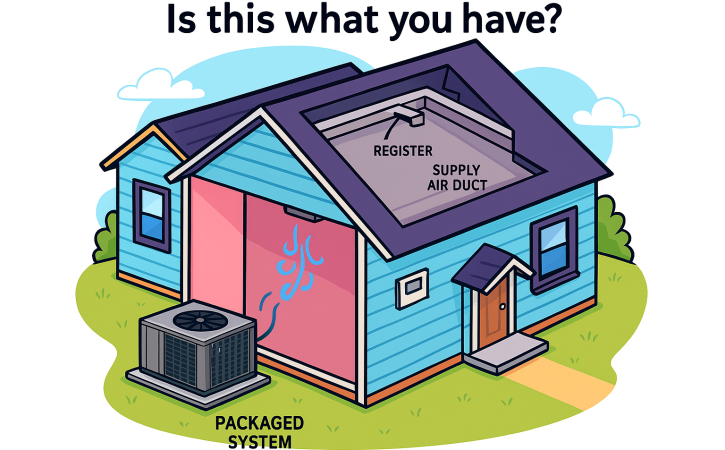
Upgrading or replacing an HVAC system is a crucial step toward improving indoor comfort, reducing energy bills, and ensuring long-term reliability. Whether you are managing a home or a commercial property, understanding the different components, system types, and cost factors can help you make a smarter investment.
This guide covers everything from replacement HVAC system cost and commercial upgrades to mini split systems, duct replacement, air filters, and modern heat pump technologies.
Replacement HVAC System Cost
One of the first questions most people ask is how much it costs to replace an HVAC system. The answer depends on several variables, including the size of the property, the type of system, energy efficiency ratings, and installation requirements.
For residential properties, replacement costs typically range between $5,000 and $15,000. High-efficiency systems or homes requiring new ductwork may push costs higher. Labor, permits, and additional upgrades such as smart thermostats also contribute to the final price.
While the upfront investment can seem high, a new HVAC system often results in lower energy bills and fewer repair expenses over time, making it a cost-effective decision in the long run.
Commercial HVAC System Replacement
Commercial HVAC systems are significantly larger and more complex than residential units. Replacing them requires careful planning to ensure minimal disruption to business operations.
The cost for commercial HVAC replacement can range from $10,000 to over $100,000 depending on building size, system capacity, and installation complexity. Common systems include rooftop units, split systems, and chillers.
Upgrading to modern, energy-efficient commercial systems can lead to substantial savings on energy costs and improved indoor air quality, which directly impacts employee productivity and customer comfort.
Financing for HVAC Replacement
Because HVAC replacement is a major expense, financing options are often used to make the process more manageable. Financing allows property owners to install a new system without paying the full cost upfront.
Options include personal loans, home equity lines of credit, contractor financing programs, and manufacturer-backed plans. Some energy-efficient systems also qualify for rebates or tax incentives, further reducing overall costs.
Financing makes it easier to upgrade to a higher-quality system that offers better performance and long-term savings.
Ductwork is a critical part of any HVAC system, responsible for distributing air throughout the building. Over time, ducts can become damaged, leaky, or clogged with dust and debris.
Replacing air ducts can significantly improve airflow, energy efficiency, and indoor air quality. Common signs that duct replacement is needed include uneven temperatures, increased dust levels, and higher energy bills.
Although duct replacement adds to the overall project cost, it ensures that your HVAC system operates at peak performance.
Mr Cool DIY Mini Split
DIY mini split systems have become a popular choice for homeowners seeking an affordable and flexible heating and cooling solution. These systems are designed for easy installation without professional help.
They are ideal for small spaces, home additions, garages, or areas without existing ductwork. By eliminating labor costs, DIY systems can be a cost-effective option while still delivering reliable performance.
MrCool Mini Split System
Mini split systems are known for their energy efficiency and zoned comfort capabilities. They consist of an outdoor unit connected to one or more indoor units, allowing independent temperature control in different rooms.
These systems are quiet, efficient, and perfect for homes that cannot accommodate traditional ducted systems. They also provide both heating and cooling, making them a versatile solution.
HVAC Complete System
A complete HVAC system includes all major components such as the heating unit, cooling unit, ductwork, and thermostat. Replacing the entire system ensures compatibility and optimal efficiency.
While replacing individual components may seem cheaper initially, a complete system upgrade often results in better performance, fewer breakdowns, and lower operating costs over time.
MERV 8 HVAC Filter
Air filters play a vital role in maintaining indoor air quality and protecting HVAC equipment. MERV 8 filters are a common choice because they provide effective filtration without restricting airflow.
They can capture dust, pollen, and mold spores, helping to create a healthier indoor environment. Regular replacement is essential to maintain efficiency and prevent system strain.
20x20x1 Furnace Filter
The 20x20x1 furnace filter is one of the most commonly used filter sizes in residential HVAC systems. Using the correct size ensures proper airflow and effective filtration.
Homeowners should replace filters every one to three months depending on usage and environmental conditions. Clean filters improve system efficiency and extend equipment lifespan.
SEER2 Heat Pumps
SEER2 is the latest standard for measuring HVAC efficiency. Systems with higher SEER2 ratings consume less energy while providing the same level of comfort.
Heat pumps with high SEER2 ratings are an excellent choice for homeowners looking to reduce energy consumption and lower utility bills. They also support environmentally friendly practices by reducing carbon emissions.
3 Ton Heat Pump System
A 3 ton heat pump system is suitable for medium-sized homes, typically ranging from 1,500 to 2,000 square feet. Proper sizing is crucial for efficiency and comfort.
An incorrectly sized system can lead to uneven temperatures, increased wear, and higher energy costs.
4 Ton Heat Pump System
A 4 ton heat pump system is designed for larger homes with higher heating and cooling demands. It is commonly used in homes between 2,000 and 2,500 square feet.
This system provides greater capacity and ensures consistent indoor temperatures when properly installed.
5 Ton Heat Pump System
A 5 ton heat pump system is ideal for large homes or small commercial spaces. It delivers powerful performance and can handle high heating and cooling loads.
Proper installation and ductwork design are essential to maximize efficiency and system lifespan.
5 Ton Split System Heat Pump
Split system heat pumps feature separate indoor and outdoor units, offering flexibility in installation and maintenance. A 5 ton split system is well-suited for large properties that require strong and reliable performance.
These systems are widely used due to their efficiency and consistent temperature control.
R454B Heat Pump
R454B is a next-generation refrigerant that is replacing older options due to its lower environmental impact. It has a significantly reduced global warming potential compared to traditional refrigerants.
Heat pumps using R454B are becoming the preferred choice for modern HVAC installations. They provide efficient performance while aligning with environmental regulations and sustainability goals.
Conclusion
Replacing an HVAC system is a significant investment, but it offers long-term benefits in comfort, efficiency, and cost savings. From understanding replacement costs and financing options to choosing the right heat pump size and modern technologies like SEER2 and R454B, every decision plays a role in system performance.

POPULAR POST

Which Health Plans Offer Pet Health Insurance

Pet Insurance Is Easy As AKC

Finding Discount Pet Supplies