
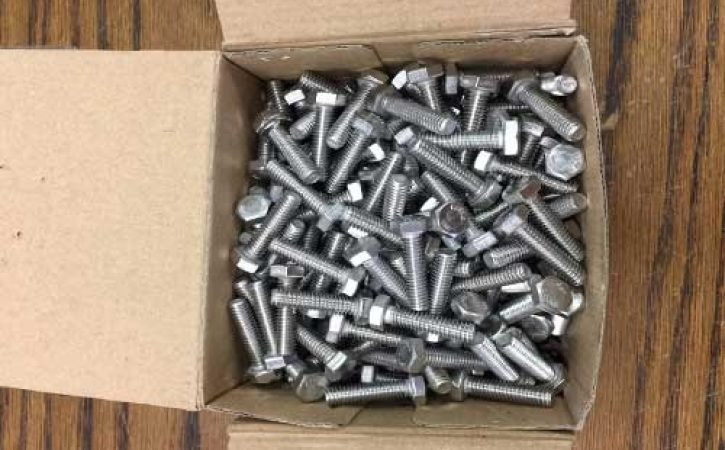
17-4 PH Fasteners: What Makes Them Ideal for High-Strength Industrial Projects?
In industrial projects, fasteners are more than mere components—they are critical to the safety, performance, and longevity of the entire assembly. When high strength and corrosion resistance are required, 17-4 PH fasteners stand out as a reliable solution. These advanced stainless steel fasteners combine excellent mechanical properties with durability, making them suitable for demanding industrial, aerospace, and chemical environments.
But what makes 17-4 PH fasteners so ideal for high-strength projects? Let’s dive into their unique composition, applications, and the benefits they bring to industrial operations.
Understanding 17-4 PH Fasteners
17-4 PH fasteners are made from a precipitation-hardening (PH) stainless steel alloy, designated UNS S17400. The alloy includes approximately 17% chromium, 4% nickel, and small amounts of copper, niobium, and other elements. This combination creates a material that is both strong and corrosion-resistant.
Key features of 17-4 PH fasteners include:
- High tensile and yield strength
- Excellent corrosion resistance
- Superior hardness and fatigue strength
- Heat-treatable for specific mechanical requirements
The “PH” in 17-4 PH stands for precipitation hardening, which allows the fasteners to be heat-treated to achieve maximum strength without compromising ductility. This makes them perfect for heavy-duty applications where both strength and reliability are crucial.
Why Strength Matters in Industrial Fasteners
Industrial projects often involve heavy loads, high stress, and exposure to harsh environments. Standard fasteners can fail under these conditions, leading to costly downtime or even safety hazards. 17-4 PH fasteners provide a reliable solution because:
- They maintain structural integrity under high stress.
- They resist fatigue and deformation over time.
- Their corrosion resistance protects against environmental damage.
These qualities make them a top choice in industries where safety, performance, and longevity are non-negotiable.
Key Properties of 17-4 PH Fasteners
- Exceptional Tensile and Yield Strength
When properly heat-treated, 17-4 PH fasteners can reach tensile strengths of up to 1,300 MPa. This level of strength allows them to secure heavy machinery, structural components, and high-performance assemblies with confidence.
- Corrosion Resistance
The chromium content in 17-4 PH fasteners provides excellent resistance to oxidation and corrosion. These fasteners perform well in acidic, saline, and chemical-laden environments, making them suitable for chemical plants, offshore facilities, and marine installations.
- Heat Treatable for Versatile Applications
One of the major advantages of 17-4 PH fasteners is their ability to be heat-treated to different hardness levels. This allows engineers to tailor fasteners to specific operational needs without sacrificing corrosion resistance.
- Fatigue and Creep Resistance
In applications involving vibration, thermal cycling, or long-term load-bearing, fatigue and creep resistance are essential. 17-4 PH fasteners maintain performance over extended periods, reducing maintenance costs and improving safety.
Common Industrial Applications of 17-4 PH Fasteners
Aerospace and Aviation
17-4 PH fasteners are used in critical aerospace assemblies, including engine mounts, landing gear, and structural components. Their high strength-to-weight ratio and corrosion resistance make them ideal for aircraft exposed to extreme temperature and stress variations.
Chemical Processing Plants
Exposure to acids, solvents, and high-pressure environments demands robust fasteners. 17-4 PH fasteners resist chemical corrosion while maintaining mechanical integrity, ensuring long-lasting performance.
Power Generation and Energy
Turbines, boilers, and heat exchangers require fasteners that withstand high loads and thermal cycles. 17-4 PH fasteners provide reliable performance in these energy-intensive applications.
Marine and Offshore Installations
Saltwater and coastal environments accelerate corrosion. 17-4 PH fasteners maintain structural integrity and resist degradation, making them suitable for offshore platforms, shipbuilding, and coastal industrial projects.
How 17-4 PH Fasteners Compare to Standard Stainless Steel
While standard stainless steel fasteners offer corrosion resistance, they often lack the mechanical strength required for high-stress applications. Compared to traditional 304 or 316 stainless steel:
- 17-4 PH fasteners provide significantly higher tensile and yield strength.
- They can be heat-treated to optimize performance.
- They offer better fatigue and creep resistance.
This combination of properties ensures that 17-4 PH fasteners remain secure under heavy loads, vibrations, and extreme conditions where other fasteners might fail.
Selecting the Right 17-4 PH Fasteners
Choosing the correct fastener involves more than material grade. Consider the following factors:
- Load Requirements: Match tensile strength and shear capacity to the application.
- Environmental Exposure: Evaluate corrosion risks from chemicals, moisture, or saltwater.
- Thread Type and Size: Ensure compatibility with mating components.
- Surface Finishing: Passivation, coating, or plating may enhance corrosion resistance.
- Compliance Standards: Check for ASTM, ISO, or aerospace certifications for quality assurance.
Proper selection maximizes performance, reliability, and safety.
Installation Best Practices for 17-4 PH Fasteners
Even high-performance fasteners require proper installation:
- Apply recommended torque specifications.
- Avoid cross-contamination with incompatible metals.
- Use appropriate lubrication or anti-seize compounds.
- Inspect regularly for signs of fatigue or corrosion.
Following these best practices ensures optimal performance and long service life.
Benefits of Using 17-4 PH Fasteners
- High Strength: Supports heavy machinery and structural components.
- Corrosion Resistance: Performs in harsh and chemical-rich environments.
- Versatility: Suitable for aerospace, chemical, power, and marine industries.
- Durability: Resists fatigue, creep, and thermal cycling.
- Compliance: Meets rigorous industrial and aerospace standards.
By investing in 17-4 PH fasteners, industries protect equipment, improve safety, and reduce maintenance costs.
Frequently Asked Questions (FAQ)
- What industries use 17-4 PH fasteners?
They are commonly used in aerospace, chemical processing, power generation, and marine applications requiring high strength and corrosion resistance.
- Can 17-4 PH fasteners withstand high temperatures?
Yes, they maintain strength and corrosion resistance at elevated temperatures, making them suitable for engines, turbines, and industrial boilers.
- Are 17-4 PH fasteners better than standard stainless steel?
Yes. They offer higher tensile strength, fatigue resistance, and can be heat-treated without losing corrosion resistance.
- How do I choose the right 17-4 PH fastener?
Consider load, environmental exposure, thread size, surface treatment, and compliance standards for your application.
- How should 17-4 PH fasteners be installed for optimal performance?
Follow torque specifications, prevent metal contamination, and use appropriate lubrication to ensure long-lasting performance.
Conclusion
17-4 PH fasteners are a superior choice for high-strength industrial projects. Their combination of high tensile strength, corrosion resistance, and heat-treatable versatility makes them suitable for demanding applications across aerospace, chemical, marine, and power industries.
By sourcing 17-4 PH fasteners from trusted suppliers like PipingMaterial.sa, engineers and project managers ensure safety, reliability, and long-term performance in critical assemblies. Contact our team today to explore specifications, request technical guidance, or secure fasteners for your next high-strength industrial project.

POPULAR POST

Which Health Plans Offer Pet Health Insurance

Pet Insurance Is Easy As AKC

Finding Discount Pet Supplies