
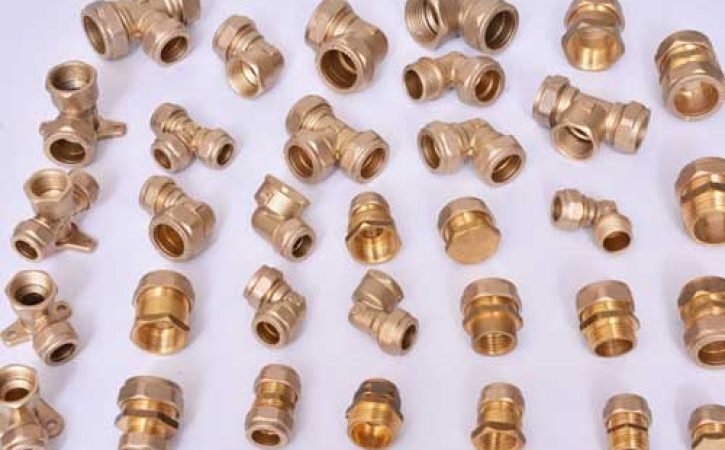
Brass Compression Fittings: Best Applications, Benefits, and Installation Guide
When it comes to secure, leak-resistant connections in piping systems, choosing the right fitting makes all the difference. Whether in plumbing, HVAC, or light industrial applications, reliability and ease of installation are essential. That is where Brass Compression Fittings stand out.
These fittings are widely trusted because they provide strong sealing performance without the need for welding or soldering. Moreover, they are simple to install and maintain. In this guide, we will explore their best applications, key benefits, and proper installation methods to help you make informed decisions for your next project.
What Are Brass Compression Fittings?
Brass compression fittings are mechanical connectors designed to join pipes or tubing securely. They use a compression nut and a ring (also called a ferrule) to create a tight seal when tightened.
Unlike threaded fittings that rely on sealants, compression fittings form a seal through mechanical pressure. As a result, they reduce the risk of leaks when installed correctly.
Why Brass Is a Preferred Material
Brass is an alloy primarily made of copper and zinc. It offers a balanced combination of strength, corrosion resistance, and machinability.
Key material advantages include:
- Good resistance to corrosion
- High durability
- Easy fabrication
- Compatibility with various pipe materials
- Excellent sealing performance
Because of these properties, brass performs reliably in water, air, and light oil systems.
Best Applications of Brass Compression Fittings
Although these fittings are versatile, certain applications benefit the most from their use.
- Plumbing Systems
One of the most common uses of Brass Compression Fittings is in residential and commercial plumbing.
They are ideal for:
- Water supply lines
- Sink and faucet connections
- Toilet installations
- Shut-off valve connections
Additionally, they allow quick repairs without cutting or welding pipes. Therefore, they are highly preferred in maintenance work.
- HVAC Systems
Heating and cooling systems require secure connections that withstand pressure changes.
These fittings are often used in:
- Refrigerant lines
- Air conditioning units
- Low-pressure gas systems
Because they provide reliable sealing, they help prevent leakage in climate control systems.
- Industrial Instrumentation
In light industrial settings, precision connections are important.
Applications include:
- Pneumatic lines
- Low-pressure hydraulic systems
- Instrumentation tubing
Since installation is straightforward, downtime during maintenance is minimized.
- Gas Distribution Systems
Brass compression fittings are also used in controlled gas distribution systems. However, it is important to verify pressure ratings and local regulations before installation.
Key Benefits of Using Brass Compression Fittings
Choosing the right fitting can improve efficiency and reduce long-term costs. Below are some major benefits.
Easy Installation
One of the biggest advantages is that they do not require specialized tools like welding equipment. Instead, standard hand tools are usually sufficient.
This makes installation:
- Faster
- Safer
- Cost-effective
Leak-Resistant Seal
When properly tightened, the ferrule compresses around the tubing to create a strong seal. Consequently, the risk of leakage is significantly reduced.
Reusable Design
Unlike soldered connections, compression fittings can often be disassembled and reused. This flexibility is particularly useful in maintenance and temporary installations.
Corrosion Resistance
Brass naturally resists corrosion in water-based systems. Therefore, it offers reliable long-term performance in plumbing and HVAC applications.
Versatility
These fittings are compatible with:
- Copper tubing
- Plastic tubing
- Aluminum tubing
- Steel pipes (with proper considerations)
Because of this adaptability, they are widely used across industries.
Installation Guide for Brass Compression Fittings
Although installation is simple, following the correct procedure ensures optimal performance.
Step 1: Prepare the Pipe
First, cut the tubing cleanly using a pipe cutter. Make sure the cut is straight and smooth. Then, remove any burrs or sharp edges.
Step 2: Slide the Nut and Ferrule
Next, slide the compression nut onto the pipe, followed by the ferrule. Ensure proper orientation before proceeding.
Step 3: Insert the Pipe into the Fitting Body
Push the pipe fully into the fitting body. It should sit firmly inside the connector.
Step 4: Tighten the Nut
Using a wrench, tighten the nut until it is snug. Avoid over-tightening, as excessive force may damage the ferrule or tubing.
Step 5: Check for Leaks
After installation, test the system under operating pressure. Inspect all joints carefully to confirm there are no leaks.

POPULAR POST

Which Health Plans Offer Pet Health Insurance

Pet Insurance Is Easy As AKC

Finding Discount Pet Supplies