
The construction and real estate industries are becoming increasingly digital, and inspection processes are no exception. Traditional paper-based inspections often lead to delays, lost information, and miscommunication between teams. Modern inspection software solutions eliminate these challenges by providing centralized platforms for managing inspections, defects, reporting, and maintenance activities.
From initial construction planning to long-term building maintenance, inspection software helps ensure quality, safety, compliance, and operational efficiency. This comprehensive guide explores different types of inspection software used in construction, property management, and facility operations.
Building Inspection Software
Building inspection software is designed to help professionals assess the safety, structural integrity, and compliance of buildings. Inspectors can use mobile devices to conduct inspections, record observations, and generate detailed reports instantly.
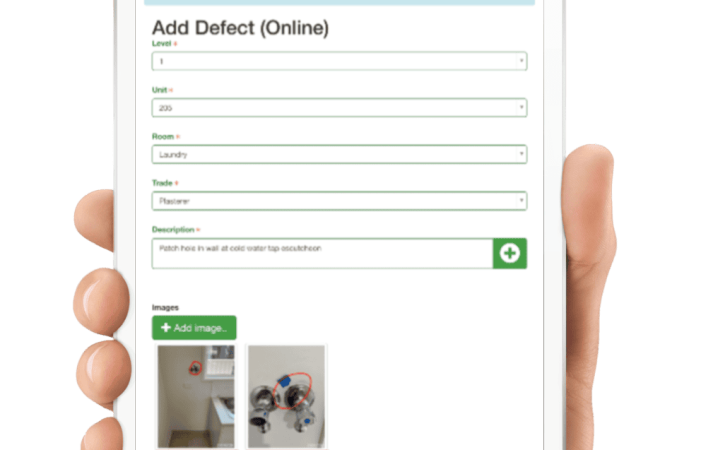
One of the main benefits of this software is the ability to standardize inspection procedures using customizable checklists. Inspectors can capture photos, annotate issues, and attach documents directly within the system. This ensures accurate documentation and faster communication with stakeholders.
Building inspection software is commonly used by government inspectors, contractors, engineers, and property managers to ensure buildings meet regulatory requirements.
Construction Inspection Software
Construction inspection software focuses on monitoring ongoing construction projects. It allows project managers and site engineers to track work progress, verify quality standards, and maintain safety compliance.
These systems typically include real-time reporting tools that enable field teams to upload inspection data instantly. Supervisors can view dashboards, monitor progress, and identify issues early.
By improving communication between field workers and management, construction inspection software helps reduce delays, minimize rework, and enhance project efficiency.
Defect Management Software
Defect management software helps organizations track and resolve construction issues effectively. It provides a centralized platform where teams can log defects, assign responsibilities, set deadlines, and monitor progress.
One of the key advantages of defect management systems is transparency. All stakeholders have access to real-time updates, ensuring accountability and faster resolution.
Advanced analytics features also allow companies to identify recurring problems, helping them improve construction processes and prevent future defects.
Handover Inspection Software
Handover inspection software plays a critical role during the final stage of construction when a property is transferred to the owner or client. This phase requires detailed inspections to ensure all work is completed properly.
Digital handover tools enable inspectors to conduct final checks, document issues, and collect electronic approvals. Automated reporting features allow easy sharing of inspection results with clients.
This software ensures a smooth handover process, reduces disputes, and improves customer satisfaction.
Building Defect Software
Building defect software is designed to manage structural and functional issues within buildings. It is used both during construction and after project completion.
Facility managers and engineers rely on this software to track defects, schedule repairs, and monitor building performance. By maintaining a detailed record of issues, organizations can plan preventive maintenance and reduce long-term costs.
This software plays an important role in ensuring building safety and longevity.
Punch List Software
Punch list software helps manage final tasks required before construction projects are completed. These tasks often include minor repairs, finishing work, and adjustments.
Digital punch list tools allow project managers to assign tasks, track progress, and verify completion in real time. Teams can attach photos and notes to provide clear instructions.
Using punch list software ensures that no tasks are overlooked and projects are delivered on time.
Snagging Inspection Software
Snagging inspection software is widely used in residential construction projects. It helps identify minor defects before properties are handed over to buyers.
Inspectors can create detailed snagging reports with annotated images and location markers. Builders can track and resolve issues efficiently, improving customer satisfaction.
Snagging software is particularly useful in large housing developments where multiple units require inspection within tight schedules.
Property Inspection Software
Property inspection software is used by real estate professionals to evaluate building conditions. It supports routine inspections, tenant move-in and move-out assessments, and property maintenance tracking.
The software allows inspectors to generate professional reports quickly and maintain accurate records for legal and insurance purposes.
By digitizing property inspections, organizations can improve efficiency and ensure better asset management.
New Home Inspection Software
New home inspection software is tailored for evaluating newly constructed houses before buyers move in. It helps inspectors ensure homes meet quality standards and building regulations.
Inspectors can use pre-built templates designed for residential construction, making inspections faster and more consistent. The software also supports detailed defect documentation and automated reporting.
This helps build trust between developers and homebuyers.
Construction Defect Tracking Software
Construction defect tracking software focuses on managing issues throughout the construction lifecycle. It allows teams to maintain a centralized database of defects and monitor resolution progress.
Real-time notifications ensure that responsible parties address issues promptly. Performance tracking tools help organizations identify trends and improve quality control processes.
This software reduces project risks and enhances accountability.
Site Inspection Software
Site inspection software enables field teams to conduct inspections efficiently using mobile devices. It supports various inspection types, including safety checks, quality audits, and compliance assessments.
Many systems offer offline capabilities, allowing inspectors to work in remote locations without internet access. Data can be synchronized once connectivity is restored.
This software helps improve data accuracy, reduce paperwork, and enhance communication.
Building Maintenance Inspection Software
Building maintenance inspection software is used for ongoing facility management after construction is complete. It helps organizations conduct regular inspections, schedule maintenance tasks, and track asset performance.
Preventive maintenance features allow facility managers to detect issues early and avoid costly repairs. Automated alerts ensure inspections are conducted on time.
This software is essential for maintaining building efficiency and extending asset lifespan.
Importance of Inspection Software in Modern Construction
Inspection software has become an essential tool in the construction industry due to its ability to streamline workflows and improve quality control.
Digital inspections eliminate manual paperwork and reduce the risk of lost information. Automated reporting saves time and ensures consistent documentation.
Real-time collaboration features allow teams to communicate effectively, regardless of location. This improves decision-making and reduces project delays.
By detecting issues early, inspection software helps organizations save costs and maintain high construction standards.
Key Features to Look For
When selecting inspection software, organizations should consider several important features.
Mobile accessibility allows inspectors to conduct inspections from anywhere. Cloud storage ensures secure data management and easy access.
Customizable checklists enable organizations to adapt the software to specific requirements. Automated reporting tools improve efficiency and professionalism.
Integration with other systems, such as project management and maintenance platforms, enhances overall workflow efficiency.
Future Trends in Inspection Software
The future of inspection software is being shaped by advanced technologies that enhance automation and data analysis.
Artificial intelligence is enabling automated defect detection through image recognition. This reduces inspection time and improves accuracy.
Internet of Things sensors are being integrated into buildings to monitor structural conditions in real time. These sensors provide valuable data for predictive maintenance.
Drone technology is also being used for inspections in hard-to-reach areas, improving safety and efficiency.
Advanced analytics tools help organizations predict potential issues and optimize maintenance strategies.
Conclusion
Building and construction inspection software plays a vital role in ensuring quality, safety, and efficiency throughout the building lifecycle. From construction inspections and defect management to handover processes and maintenance planning, these tools provide comprehensive support for industry professionals.
Organizations that adopt inspection software benefit from improved accuracy, faster workflows, better collaboration, and reduced operational costs. As technology continues to evolve, inspection software will become even more powerful, helping shape the future of construction and property management.