
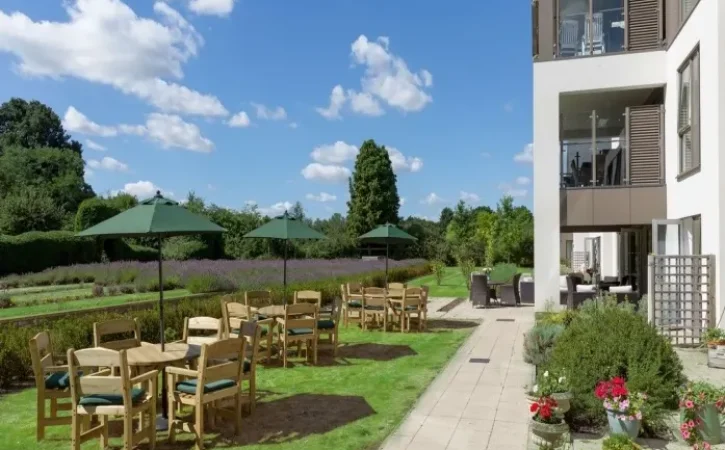
How Long Does Care Home Construction Take from Start to Finish?
When planning a care home construction project, one of the most common questions asked by investors, healthcare organizations, and families is: “How long will this take from start to finish?” Understanding the timeline is crucial for budgeting, staffing, and ensuring a smooth transition for future residents. With so many variables involved, the timeline for building a modern care home can vary significantly. Working with experienced nursing home builders like Care Home Builders can streamline the process and ensure realistic expectations are set from the beginning.
What Are the Key Stages of Care Home Construction?
The duration of a care home construction project depends heavily on how each stage is planned and executed. Typically, the process includes:
- Planning and Feasibility Studies – Before any concrete work begins, feasibility studies and planning approvals must be completed. This stage includes market research, site surveys, zoning approvals, and designing a blueprint that meets regulatory requirements. This step alone can take anywhere from 2 to 6 months, depending on local council approvals and planning conditions.
- Design and Architectural Work – Once feasibility is confirmed, architects and nursing home builders work together to create detailed designs. This stage involves floor plans, accessibility compliance, fire safety standards, and environmental impact assessments. It’s critical to invest time in this phase because rushed designs can lead to costly changes later. Typically, this phase takes 3 to 5 months.
- Permits and Regulatory Approvals – Care homes must comply with strict regulations for health and safety. Obtaining the necessary permits, including building permits, environmental approvals, and healthcare licensing, can take 1 to 3 months. Experienced Care Home Builders can anticipate regulatory hurdles and expedite approvals efficiently.
- Groundwork and Foundation – After approvals, construction begins with site preparation, excavation, and laying the foundation. Depending on the complexity of the site and soil conditions, this stage can last 1 to 2 months. Proper foundation work is crucial for the longevity and safety of the building.
- Structural Construction – The main framework, including walls, roofing, and floors, is constructed during this phase. Structural work is labor-intensive and weather-dependent, often taking 4 to 6 months. Modern techniques like prefabricated modules can reduce this time significantly.
- Internal Systems Installation – Once the structure is up, internal systems such as electrical wiring, plumbing, HVAC (heating, ventilation, and air conditioning), and fire safety systems are installed. This stage generally takes 2 to 4 months, but coordination between different contractors is essential to avoid delays.
- Finishing and Interiors – This phase covers flooring, painting, lighting, kitchens, bathrooms, and healthcare-specific features like nurse call systems. Attention to detail is critical, as care homes require high accessibility standards and durable materials. Typically, finishing work takes 2 to 3 months.
- Testing and Commissioning – Before residents move in, all systems, including fire alarms, elevators, and medical equipment, are rigorously tested. Regulatory bodies may require inspections and certifications, which can add 1 to 2 months to the timeline.
- Staff Recruitment and Training – While technically not part of construction, hiring and training staff often runs parallel to the final construction stages. Preparing for a smooth opening ensures operational readiness as soon as the building is completed.
How Do Nursing Home Builders Impact Construction Duration?
Experienced nursing home builders like Care Home Builders play a critical role in keeping projects on schedule. Their expertise can reduce delays by:
- Coordinating multiple contractors efficiently.
- Anticipating design and permit challenges before they become issues.
- Managing supply chains for construction materials.
- Implementing modern construction methods like modular builds to cut time.
Without professional builders, timelines can extend by months, sometimes even over a year, especially if approvals or design changes occur mid-project.
What Factors Can Extend Care Home Construction Timelines?
Even with meticulous planning, several factors can impact the duration of care home construction:
- Weather Conditions – Heavy rain, snow, or extreme temperatures can halt construction, particularly during foundation and structural work.
- Site Challenges – Poor soil conditions, restricted access, or environmental concerns can slow down groundwork.
- Regulatory Delays – Changes in local healthcare regulations or building codes may require design revisions.
- Supply Chain Issues – Delays in materials like steel, concrete, or specialized healthcare equipment can extend timelines.
- Design Changes – Mid-project alterations requested by investors or stakeholders can disrupt schedules significantly.
By accounting for these factors early and working with experienced nursing home builders, delays can be minimized.
Can Modular Construction Speed Up the Process?
Modern care home construction increasingly relies on modular and prefabricated components. These allow significant reductions in build time because walls, floors, and rooms are constructed off-site and assembled quickly. A project that could take 18–24 months using traditional methods may be completed in 12–15 months with modular construction. Care Home Builders often recommend modular solutions for new facilities where time and efficiency are priorities.
How Long Should You Expect Total Construction Time?
On average, a traditional care home project from planning to handover takes 18 to 24 months. For smaller care homes, it might take 12–18 months, while larger, multi-floor facilities with complex healthcare systems may extend to 30 months. The key to staying within schedule is realistic planning, experienced builders, and continuous project management.
Why Early Planning Matters
Investors often underestimate the planning stage but it is the foundation of timely completion. Early engagement with nursing home builders ensures:
- Compliance with regulations from the outset.
- Accurate budgeting for labor, materials, and permits.
- Efficient procurement of specialized healthcare equipment.
- Clear timeline projections that align with operational goals.
Final Thoughts
Understanding the timeline of care home construction is essential for anyone looking to develop a modern healthcare facility. From initial feasibility studies to final commissioning, the process is complex and requires professional guidance. Partnering with reputable Care Home Builders ensures that every stage—from design to handover—is handled efficiently, reducing risks of delays and additional costs.
Whether you’re constructing a small community care home or a large residential facility, careful planning, and experienced nursing home builders are key to delivering a high-quality, compliant, and safe environment for residents on time.

POPULAR POST

Which Health Plans Offer Pet Health Insurance

Pet Insurance Is Easy As AKC

Finding Discount Pet Supplies


