
How Do Professionals Assess Water Damage in Your Home?
Water damage in a home can escalate quickly if left unaddressed. From structural issues to mold growth, the consequences are serious. But how do professionals assess water damage in your home, and what should you expect when hiring experts? In this guide, we’ll explore the detailed steps taken by water damage restoration specialists, focusing on immediate responses to a flood cleanup emergency. This content also highlights why trusting a reputable service like Ideal Response is essential for protecting your property and health.
What Are the First Steps Professionals Take During Water Damage Assessment?
When a professional team arrives, the first step is to evaluate the extent of the water intrusion. They identify the source, whether it’s a burst pipe, roof leak, or natural flooding. Water damage restoration experts use advanced tools such as moisture meters, infrared cameras, and hygrometers to detect hidden water pockets. This thorough evaluation is critical because visible water is often only the tip of the iceberg.
Next, they categorize the water according to contamination levels. Category 1 involves clean water, like from a broken pipe. Category 2 contains contaminants, such as dishwasher or washing machine overflow. Category 3 includes highly contaminated water from sewage or flooding. Proper categorization determines the methods and safety precautions required during a flood cleanup emergency.
How Do Experts Identify Hidden Water Damage?
Hidden water damage can remain undetected for weeks, causing mold, rot, and structural issues. Professionals conduct a detailed inspection of walls, floors, ceilings, and crawl spaces. Using infrared thermal imaging, they can pinpoint areas with moisture behind walls or under flooring.
Moisture meters are used to quantify water content in building materials. These readings guide the restoration process and help set drying targets. Professionals also inspect HVAC systems and electrical components to prevent long-term damage. For homeowners, relying on experts ensures that no hidden water pockets compromise safety or property value.
hat Role Does Documentation Play in Water Damage Restoration?
Proper documentation is a crucial step in water damage restoration. Professionals take photographs, videos, and detailed notes to record the affected areas. This documentation supports insurance claims and helps establish a timeline of damage and repairs.
During a flood cleanup emergency, prompt documentation allows insurance adjusters to understand the severity of damage accurately. Experienced restoration companies, such as Ideal Response, streamline this process, making it easier for homeowners to secure compensation while minimizing delays in restoration.
How Is Mold Risk Assessed During Water Damage Evaluation?
Mold growth is a serious concern after water intrusion. Experts assess the risk based on the type of water, the materials affected, and how long moisture has been present. They check for dampness in hidden areas like behind cabinets, under carpets, or inside wall cavities.
If mold is detected or likely to develop, professionals implement containment strategies to prevent spores from spreading. They also plan for specialized remediation if necessary. Early assessment of mold risk reduces health hazards and prevents costly future repairs.
What Equipment Do Professionals Use During Water Damage Assessment?
Water damage restoration requires advanced technology for accurate assessment. Common tools include:
- Moisture Meters: Measure water content in materials.
- Thermal Imaging Cameras: Detect hidden water pockets.
- Hygrometers: Monitor humidity levels in the air.
- Borescopes: Inspect hard-to-reach areas like wall cavities.
Professionals combine these tools with experience to create a precise action plan for flood cleanup emergency. By relying on trained experts, homeowners avoid the guesswork and ensure effective water removal and property drying.
How Do Professionals Prioritize Repairs After Assessment?
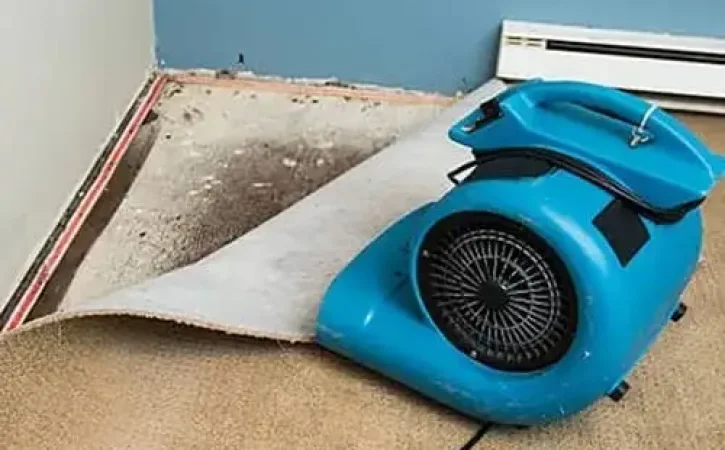
After the assessment, restoration experts develop a detailed plan. Priority is given to stopping the source of water, extracting standing water, and preventing further damage. Materials that cannot be salvaged, such as water-damaged drywall or insulation, are removed.
Following extraction, drying and dehumidification processes begin immediately. Professionals continuously monitor moisture levels to ensure proper drying. Once the property is stabilized, repairs and restoration can begin, from flooring replacement to structural fixes.
Why Is Speed Critical in a Flood Cleanup Emergency?
Time is of the essence in any flood cleanup emergency. Standing water can infiltrate building materials, leading to swelling, warping, and mold within 24–48 hours. Professionals respond quickly, assessing damage and initiating restoration to minimize long-term effects.
Rapid intervention not only protects property but also reduces costs. Homes left untreated may face escalating repair expenses, structural compromise, and health risks from mold and bacteria.
How Do Professionals Communicate Findings to Homeowners?
Transparency is key during water damage restoration. Professionals provide homeowners with a detailed report explaining the damage, assessment methods, and recommended steps. They explain how water intrusion occurred, areas at risk, and expected repair timelines.
Clear communication ensures homeowners understand the restoration process and can make informed decisions regarding insurance claims and repairs. Trusting a reputable service like Ideal Response ensures accurate, professional guidance at every stage.
What Safety Precautions Are Taken During Assessment?
Water damage can create hazardous conditions, including electrical risks, structural instability, and contaminated water. Professionals wear protective gear, such as gloves, boots, and respirators when necessary. They also assess structural integrity before entering flooded areas.
During a flood cleanup emergency, safety protocols prevent accidents and exposure to harmful contaminants. Experts manage these risks while executing efficient restoration strategies.
How Can Homeowners Prepare for Professional Assessment?
Homeowners can assist professionals by documenting initial damage, turning off utilities if safe, and clearing accessible areas for inspection. Removing furniture or valuables from affected areas allows faster assessment and repair.
Early preparation helps professionals act efficiently, reducing restoration time and costs. It also ensures accurate assessment and targeted water damage restoration.
Why Choose Professional Water Damage Restoration Services?
Water damage restoration is complex and requires expertise. Professionals provide:
- Accurate assessment of visible and hidden damage
- Swift water extraction and drying
- Mold risk evaluation and containment
- Safe handling of contaminated water
- Insurance documentation and guidance
Choosing a professional team like Ideal Response ensures homeowners receive efficient, reliable, and comprehensive service. Attempting DIY restoration often leads to incomplete drying, mold growth, and costly structural damage.
Conclusion
Assessing water damage in your home involves more than visual inspection. Professionals conduct thorough evaluations using advanced tools, document damage, mitigate mold risk, and prioritize repairs efficiently. During a flood cleanup emergency, speed and expertise are critical to minimizing loss and ensuring a safe living environment.
By choosing a trusted water damage restoration service like Ideal Response, homeowners protect their property, health, and investment. From initial assessment to complete restoration, professional intervention ensures peace of mind and long-term safety.

POPULAR POST

Which Health Plans Offer Pet Health Insurance

Pet Insurance Is Easy As AKC

Finding Discount Pet Supplies