
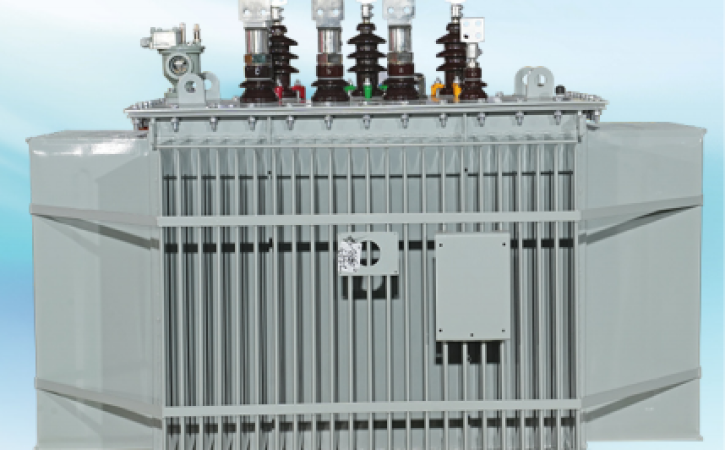
In the world of electrical power distribution, transformers play a crucial role in ensuring that electricity is transmitted efficiently and safely from generation sources to end-users. Among the many types of transformers, Dry Type Transformers and Main Power Transformers are two of the most essential, each serving specific functions in industrial, commercial, and utility settings. This blog will explore the features, applications, and benefits of these transformers, helping you understand why they are critical in modern power systems.
What is a Dry Type Transformer?
A Dry Type Transformer is a type of transformer that uses air rather than liquid to cool its windings and core. Unlike oil-filled transformers, which rely on mineral oil or other insulating liquids, dry type transformers are sealed units that are safer for indoor use and environments where fire hazards must be minimized.
The primary components of a dry type transformer include the core, the windings, and insulation materials. The core is typically made of laminated steel to reduce energy losses, while the windings are made of copper or aluminum. The insulation system is designed to handle high temperatures and provide long-term reliability.
Advantages of Dry Type Transformers
-
Safety: Without flammable oil, dry type transformers significantly reduce fire risk, making them suitable for indoor installations in schools, hospitals, and commercial buildings.
-
Low Maintenance: Since there is no oil to monitor or replace, these transformers require minimal maintenance.
-
Environmental Friendliness: Dry type transformers are eco-friendly as they do not risk oil leaks that could contaminate soil or water.
-
Durability: With modern insulation materials and thermal designs, dry type transformers can withstand high temperatures and electrical stress.
Applications of Dry Type Transformers
Dry Type Transformers are widely used in commercial and industrial applications where safety, reliability, and low maintenance are critical. Common applications include:
-
Hospitals and healthcare facilities
-
Schools and universities
-
Office buildings
-
Shopping malls and retail complexes
-
Manufacturing plants with indoor electrical distribution
Additionally, dry type transformers are increasingly used in renewable energy projects and data centers, where compact design and safe operation are essential.
What is a Main Power Transformer?
A Main Power Transformer is a high-capacity transformer used to step up or step down voltage in primary power distribution systems. Unlike smaller distribution transformers, main power transformers are integral to the backbone of power grids and industrial power systems. They typically handle large voltages and currents, providing reliable power transmission over long distances.
Main power transformers are usually oil-filled due to their high power ratings, although dry type versions are available for specific applications. These transformers are critical for converting the voltage from power generation plants to levels suitable for distribution networks, ensuring that homes, industries, and commercial establishments receive stable electricity.
Key Features of Main Power Transformers
-
High Capacity: Main power transformers are designed to handle hundreds of megavolt-amperes (MVA), making them suitable for grid-scale applications.
-
Voltage Regulation: They maintain voltage levels within acceptable limits to protect equipment and ensure efficient power delivery.
-
Reliability: Built for long-term operation, main power transformers are engineered with robust cooling, insulation, and protection systems.
-
Adaptability: They can be tailored for different power ratings, voltage levels, and environmental conditions.
Applications of Main Power Transformers
Main power transformers are fundamental components in power generation and transmission. Typical applications include:
-
Electrical substations for high-voltage transmission
-
Industrial facilities requiring high-power input
-
Power generation plants, including thermal, hydroelectric, and renewable energy plants
-
Large commercial complexes with centralized power distribution
Choosing Between Dry Type Transformers and Main Power Transformers
Selecting the right transformer depends on your specific power needs and environmental constraints. Dry type transformers are ideal for indoor applications where fire safety, low maintenance, and environmental protection are priorities. Main power transformers, on the other hand, are essential for handling large-scale power distribution and high voltage transmission in industrial and utility sectors.
Many modern installations use a combination of both: a main power transformer to handle high voltage input, followed by dry type transformers to safely distribute power indoors.
Conclusion
Both Dry Type Transformers and Main Power Transformers are critical in modern electrical systems. Dry type transformers provide safe, low-maintenance solutions for indoor and sensitive environments, while main power transformers form the backbone of power transmission, ensuring that electricity reaches industrial, commercial, and residential areas efficiently.
Understanding the differences, applications, and advantages of these transformers is key for engineers, facility managers, and decision-makers in the electrical power sector. By selecting the right transformer type for your needs, you can achieve a balance between safety, efficiency, and reliability, ensuring long-term performance in any power distribution system.
Whether you are upgrading an existing facility or designing a new power system, knowledge of dry type transformers and main power transformers will help you make informed decisions that safeguard your infrastructure and optimize energy delivery.

POPULAR POST

Which Health Plans Offer Pet Health Insurance

Pet Insurance Is Easy As AKC

Finding Discount Pet Supplies