
Why Should You Never Ignore Signs of Basement Flooding?
Basement flooding can cause serious damage to your home, affect your family’s health, and create expensive repair problems. Even a small amount of water can damage flooring, walls, furniture, electrical systems, and personal belongings. Many homeowners overlook early warning signs because they believe the water will disappear on its own. However, delaying action can turn a minor moisture problem into a major restoration project.
Recognising the early signs of basement flooding helps you protect your property and avoid unnecessary expenses. Whether you notice damp walls, unpleasant smells, water stains, or standing water, you should investigate the problem immediately. Professional restoration services like Ideal Response can help homeowners identify water damage and take appropriate steps to restore affected areas.
What Are the Common Warning Signs of Basement Flooding?
Basement flooding does not always begin with visible standing water. Sometimes, the first signs appear gradually and become more noticeable over time. Paying attention to these changes can help you identify a problem before it becomes severe.
Look for these common warning signs:
- Damp walls and floors: Moisture on basement surfaces may indicate water entering through foundation cracks or surrounding soil.
- Musty odours: Persistent unpleasant smells often suggest excess moisture and possible mould growth.
- Water stains: Brown or yellow marks on walls and ceilings can indicate previous or ongoing water leaks.
- Peeling paint: Excess moisture can cause paint and wallpaper to bubble, crack, or separate from surfaces.
- Standing water: Puddles near drains, windows, or foundation walls may indicate drainage problems or water intrusion.
- Increased humidity: A basement that suddenly feels damp or uncomfortable may have an underlying moisture issue.
Never dismiss these warning signs. Investigating them early can prevent extensive property damage.
How Can Basement Flooding Damage Your Property?
Water can affect almost every part of your basement. Once moisture enters the space, it can spread through porous materials and weaken important structural components.
For example, prolonged exposure to water can damage drywall, wooden flooring, carpets, insulation, and furniture. Wooden materials may absorb moisture, swell, warp, or rot. Meanwhile, water can weaken drywall and cause ceiling materials to deteriorate.
Basement flooding can also affect your home’s foundation. Continuous moisture exposure may worsen existing cracks and allow additional water to enter. If you ignore these problems, repairs can become more complicated and expensive.
Water can also damage stored belongings, including electronics, documents, clothing, and household equipment. Taking immediate action helps reduce these losses and protects your property’s overall condition.
Why Does Ignoring a Flooding Basement Create Health Risks?
A flooding basement creates more than property damage. Excess moisture provides suitable conditions for mould and mildew growth, which can affect indoor air quality.
Mould can develop on drywall, carpets, insulation, wooden surfaces, and other damp materials. Once it spreads, it may release spores into the surrounding air. Exposure can trigger allergic reactions, coughing, sneezing, eye irritation, and respiratory discomfort, particularly among people with asthma or existing respiratory sensitivities.
Standing water can also contain bacteria, sewage, chemicals, and other contaminants, depending on its source. This makes direct contact potentially dangerous.
You should avoid entering contaminated floodwater without appropriate protective equipment. Professional cleanup services can assess the contamination, remove affected materials when necessary, and apply suitable cleaning and drying methods.
What Causes Water to Enter Your Basement?
Understanding the causes of water intrusion helps you prevent future flooding. Several environmental and structural factors can allow water to enter your basement.
Common causes include:
Heavy rainfall: Excessive rain can overwhelm drainage systems and increase pressure against foundation walls.
Poor drainage: Blocked gutters, damaged downspouts, and improper landscaping can direct water towards your foundation.
Foundation cracks: Small openings in concrete walls and floors can allow groundwater to seep inside.
Sump pump failure: A malfunctioning sump pump may fail to remove groundwater during heavy rainfall.
Burst pipes: Damaged plumbing connections, leaking water heaters, and broken pipes can release large amounts of water.
Sewer backups: Blocked municipal sewer lines or drainage systems can force contaminated water into basement drains.
Identifying the source of water intrusion allows you to select the right repair solution instead of repeatedly dealing with the same problem.
How Can Early Action Reduce Flood Damage?
Taking quick action is one of the most effective ways to limit water damage. When you notice signs of basement flooding, investigate the source and arrange professional assistance as soon as possible.
Start by keeping people and pets away from affected areas, especially when water may have contacted electrical outlets, appliances, or wiring. Never enter standing water until a qualified professional confirms that the area is safe.
If possible, shut off the water supply when a plumbing leak causes the flooding. Contact an electrician if water reaches electrical systems, and avoid operating electrical equipment in wet areas.
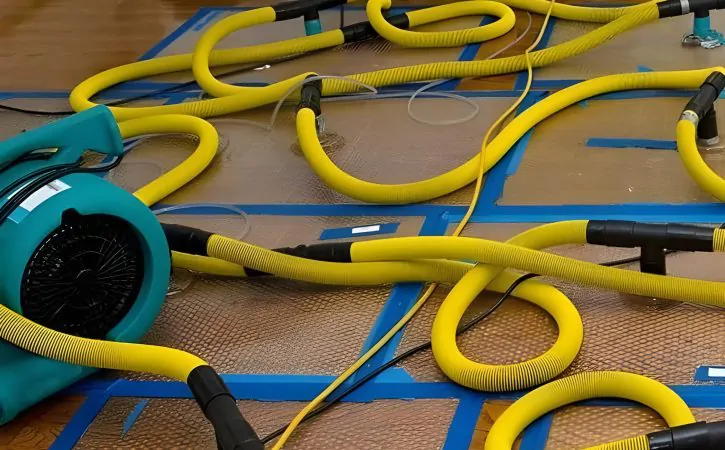
Professional restoration technicians can inspect the affected space, remove standing water, dry damp materials, and identify areas that require additional treatment. They can also use specialised moisture detection equipment to locate hidden water behind walls and beneath flooring.
Fast intervention helps reduce secondary damage, limits mould development, and supports a safer restoration process.
Why Should You Hire Professional Basement Flood Restoration Services?
Cleaning a flooded basement often requires more than a mop, bucket, and household fan. Water can spread into concealed spaces where ordinary cleaning methods cannot reach.
Professional restoration companies use specialised equipment and established procedures to handle water damage effectively. Their services may include:
- Water extraction: Powerful pumps and extraction equipment remove standing water.
- Moisture inspection: Professional tools identify hidden moisture in walls, floors, and ceilings.
- Structural drying: Commercial dehumidifiers and air movers help remove excess moisture.
- Cleaning and sanitisation: Technicians clean affected surfaces and address contamination according to the water source.
- Damage assessment: Specialists identify materials that require repair or replacement.
- Restoration work: Damaged areas receive appropriate repairs to help return the basement to a usable condition.
Ideal Response understands the importance of timely water damage restoration. Professional support helps homeowners address immediate problems while reducing the risk of recurring moisture damage.
How Can You Prevent Future Basement Flooding?
Preventive maintenance can significantly reduce the chances of water entering your basement. Although you cannot control heavy rainfall, you can improve your property’s ability to manage excess water.
Follow these practical maintenance tips:
- Clean your gutters regularly: Remove leaves and debris to maintain proper water flow.
- Extend downspouts: Direct rainwater away from your home’s foundation.
- Inspect foundation walls: Check for cracks and arrange suitable repairs when necessary.
- Maintain your sump pump: Test the pump periodically and consider a backup power system.
- Check plumbing connections: Repair leaking pipes and inspect water heaters for signs of damage.
- Improve exterior drainage: Ensure the ground slopes away from your foundation.
- Monitor basement humidity: Use a suitable dehumidifier to control excess moisture.
Regular inspections help you identify developing problems before they lead to expensive restoration work.
When Should You Contact a Basement Flooding Specialist?
You should contact a professional whenever you notice standing water, recurring leaks, persistent dampness, sewage backups, or unexplained moisture inside your basement.
Do not wait until water damages your furniture or spreads throughout your property. Even a small leak can indicate a larger drainage or foundation issue. Professional technicians can investigate the cause, assess the extent of damage, and recommend appropriate restoration solutions.
If flooding occurs after a storm or plumbing failure, arrange an inspection promptly. Early professional intervention can help prevent further deterioration and make the restoration process more manageable.
Why Is Immediate Action the Best Way to Protect Your Home?
Ignoring basement flooding can lead to structural deterioration, damaged belongings, mould growth, poor indoor air quality, and expensive repairs. Recognising early warning signs and responding quickly helps protect your property and maintain a healthier living environment.
Whether you notice damp flooring, musty smells, foundation leaks, or visible standing water, take the problem seriously. Understanding the risks associated with a flooding basement allows you to make informed decisions and prevent further damage.
With timely inspections, proper maintenance, and professional restoration support from Ideal Response, you can address water damage effectively and keep your basement safer, cleaner, and better protected against future flooding.

POPULAR POST

Which Health Plans Offer Pet Health Insurance

Pet Insurance Is Easy As AKC

Finding Discount Pet Supplies


