
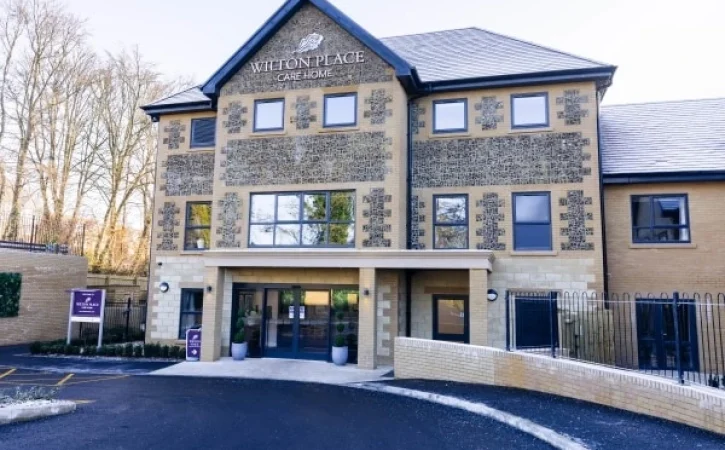
How Does Later Living Construction Improve Senior Living Spaces?
Later living construction focuses on designing and building environments specifically for older adults. It prioritizes comfort, safety, accessibility, and community living. Unlike traditional housing, later living construction integrates thoughtful architectural features that support mobility, independence, and well-being.
As the aging population grows, the demand for high-quality senior living spaces increases. Developers now recognize that seniors need more than just a place to live—they need a supportive environment that enhances their lifestyle. This is where later living construction plays a vital role by creating spaces that promote dignity, health, and social interaction.
How Does Later Living Construction Enhance Safety and Accessibility?
Safety remains one of the most important aspects of senior living design. Later living construction includes features such as non-slip flooring, wider doorways, step-free access, and well-lit corridors. These design elements reduce the risk of falls and injuries, which are common concerns among elderly residents.
Additionally, accessible bathrooms with grab rails, walk-in showers, and ergonomic fixtures make daily routines easier. Elevators, ramps, and handrails further improve mobility throughout the building. By incorporating these features, later living construction ensures that seniors can move freely and confidently within their living spaces.
Why Is Comfort a Priority in Senior Living Spaces?
Comfort plays a significant role in improving the quality of life for seniors. Later living construction focuses on creating warm, welcoming, and functional environments. Proper insulation, ventilation, and temperature control systems ensure that residents remain comfortable throughout the year.
Spacious layouts and natural lighting also contribute to a pleasant atmosphere. Designers carefully plan interiors to reduce clutter and maximize usability. Comfortable living spaces not only enhance physical well-being but also positively impact mental health.
How Does Care Home Refurbishment Improve Existing Facilities?
Care home refurbishment breathes new life into outdated senior living spaces. Instead of building from scratch, developers upgrade existing facilities to meet modern standards. This process includes improving infrastructure, updating interiors, and incorporating advanced technologies.
Refurbishment also allows care homes to adapt to changing needs. For example, older buildings may lack accessibility features or efficient layouts. Through care home refurbishment, these issues are addressed, creating safer and more functional environments for residents.
Moreover, refurbishment often proves cost-effective compared to new construction. It allows operators to enhance their facilities without significant downtime, ensuring continuous care for residents.
What Role Does Technology Play in Later Living Construction?
Technology significantly improves senior living environments. Later living construction integrates smart systems such as emergency call buttons, automated lighting, and climate control. These features enhance convenience and provide quick assistance during emergencies.
Healthcare technology also plays a crucial role. Monitoring systems can track residents’ health conditions and alert caregivers when necessary. This integration of technology ensures that seniors receive timely care while maintaining their independence.
How Does Later Living Construction Promote Social Interaction?
Isolation can negatively affect seniors’ mental health. Later living construction addresses this issue by creating communal spaces that encourage interaction. Shared lounges, dining areas, gardens, and activity rooms provide opportunities for residents to connect and engage with others.
These social spaces foster a sense of community and belonging. Organized activities, events, and group programs further enhance social engagement. By promoting interaction, later living construction helps reduce loneliness and improve overall well-being.
Why Is Sustainability Important in Senior Living Design?
Sustainability has become a key focus in modern construction, including senior living spaces. Later living construction incorporates energy-efficient systems, eco-friendly materials, and sustainable building practices.
Features such as solar panels, water-saving fixtures, and efficient insulation reduce environmental impact and operational costs. Sustainable design not only benefits the environment but also ensures long-term affordability for residents and operators.
How Does Thoughtful Design Improve Independence for Seniors?
Independence is essential for maintaining dignity and confidence among seniors. Later living construction supports independent living by incorporating user-friendly designs. Simple features like easy-to-reach storage, intuitive layouts, and clear signage make everyday tasks more manageable.
Private living spaces combined with accessible common areas allow residents to choose their level of interaction. This balance between independence and community living creates a comfortable and empowering environment.
What Are the Benefits of Professional Expertise in Later Living Construction?
Professional expertise ensures that every aspect of senior living design meets high standards. Experienced developers understand the unique needs of elderly residents and implement solutions accordingly.
Companies like Care Home Builders specialize in creating high-quality senior living environments. Their expertise in later living construction ensures that projects meet safety regulations, design standards, and resident expectations. By working with professionals, developers can deliver spaces that truly enhance the lives of seniors.
How Does Care Home Refurbishment Add Long-Term Value?
Care home refurbishment not only improves current living conditions but also adds long-term value to the property. Upgraded facilities attract more residents and improve occupancy rates. Modernized environments also enhance staff efficiency and satisfaction.
Refurbishment projects often include energy-efficient upgrades, which reduce operational costs over time. By investing in care home refurbishment, operators ensure that their facilities remain competitive and future-ready.
Why Is Personalization Important in Senior Living Spaces?
Every resident has unique preferences and needs. Later living construction allows for personalization in design and layout. From private rooms to customized interiors, developers create spaces that reflect individual lifestyles.
Personalization enhances comfort and emotional well-being. When residents feel at home, they experience greater satisfaction and happiness. This approach makes senior living spaces more than just accommodations—it turns them into meaningful living environments.
How Does Later Living Construction Support Healthcare Needs?
Healthcare integration is essential in senior living environments. Later living construction incorporates spaces for medical care, therapy, and wellness activities. On-site healthcare facilities ensure that residents receive immediate attention when needed.
Design elements such as easy navigation, proximity to care areas, and specialized equipment improve healthcare delivery. This seamless integration of living and healthcare spaces enhances overall resident care.
What Makes Modern Senior Living Spaces More Appealing?
Modern senior living spaces focus on aesthetics as well as functionality. Later living construction combines contemporary design with practical features. Stylish interiors, landscaped gardens, and recreational areas create an appealing environment.
These spaces resemble upscale residential communities rather than traditional care facilities. This shift in design helps change perceptions about senior living and attracts more residents seeking a comfortable and vibrant lifestyle.
How Can the Right Builder Transform Senior Living Projects?
Choosing the right builder plays a crucial role in the success of a project. Experienced professionals understand the complexities of later living construction and deliver high-quality results.
Care Home Builders have established themselves as experts in this field. Their commitment to quality, innovation, and resident-focused design ensures that every project meets modern standards. With the right team, developers can create spaces that truly improve senior living experiences.
Conclusion: How Does Later Living Construction Shape the Future of Senior Living?
Later living construction transforms senior living spaces by prioritizing safety, comfort, accessibility, and community. It integrates modern design, advanced technology, and sustainable practices to create environments that support the needs of older adults.
Care home refurbishment further enhances existing facilities, ensuring they remain functional and up to date. Together, these approaches improve the quality of life for seniors and set new standards for the industry.
As demand for senior living spaces continues to grow, investing in later living construction becomes essential. With expert guidance from professionals like Care Home Builders, developers can create spaces that not only meet current needs but also shape the future of senior living.

POPULAR POST

Which Health Plans Offer Pet Health Insurance

Pet Insurance Is Easy As AKC

Finding Discount Pet Supplies


