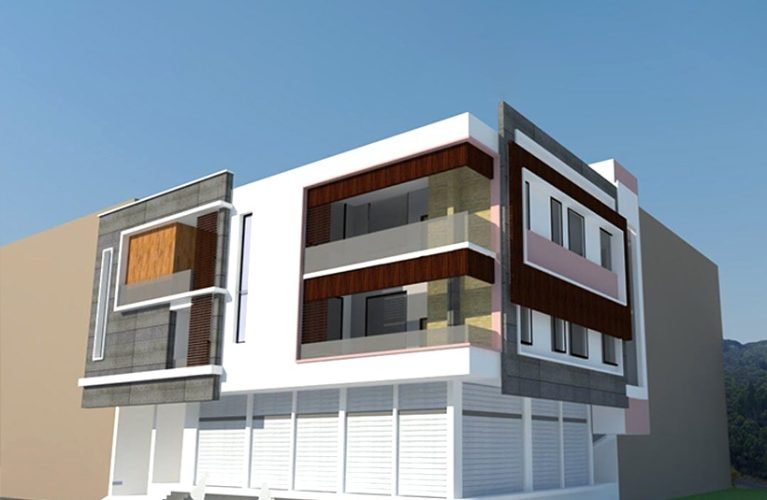

Later living construction refers to the design and development of residential environments specifically built for older adults who require comfort, independence, and support in daily life. These projects focus on accessibility, safety, and long-term well-being while integrating modern design principles.
In today’s evolving housing sector, later living construction is no longer just about physical infrastructure. It is about creating intelligent environments that respond to residents’ needs in real time. Smart living technologies now play a central role in improving quality of life, enabling seniors to live more independently while staying connected to care systems.
The demand for advanced later living construction continues to grow as populations age. Developers and designers now prioritize digital integration, energy efficiency, and health-focused features from the earliest planning stages. This shift ensures that residential spaces are not only comfortable but also future-ready.
How Does Technology Improve Safety and Comfort in Later Living Construction?
Technology significantly enhances safety and comfort in later living construction by introducing automated systems that reduce risks and improve daily living experiences. Smart sensors, emergency alert systems, and AI-powered monitoring tools help detect hazards such as falls, gas leaks, or unusual movements.
These technologies provide real-time alerts to caregivers and family members, ensuring quick responses during emergencies. As a result, residents feel more secure and confident in their living environments.
Comfort is also greatly improved through smart climate control systems, automated lighting, and voice-activated assistants. These features allow residents to control their surroundings without physical strain, making everyday tasks easier and more enjoyable.
In modern later living construction, technology is not an optional upgrade. It is a core component that directly impacts the physical and emotional well-being of residents.
How Does Smart Home Automation Transform Care Home Refurbishment Projects?
Smart home automation has revolutionized care home refurbishment by turning traditional facilities into intelligent living spaces. Instead of relying solely on manual systems, refurbished care homes now use interconnected devices to manage lighting, heating, security, and communication.
During care home refurbishment, automation systems are integrated to ensure smoother operations and better resource management. For example, automated lighting adjusts based on occupancy, while smart thermostats maintain ideal room temperatures for elderly residents.
These upgrades also improve staff efficiency. Caregivers can monitor multiple residents through centralized dashboards, reducing workload and allowing more time for personal care. This transformation enhances both operational efficiency and resident satisfaction.
Companies like Care Home Builders play a vital role in implementing these advanced systems during refurbishment projects. Care Home Builders focus on combining architectural expertise with smart technology integration to deliver modern, efficient, and future-ready care environments.
Why Is Digital Monitoring Essential in Modern Care Home Refurbishment?
Digital monitoring has become an essential element of care home refurbishment because it provides continuous oversight without intruding on residents’ privacy. Smart cameras, motion sensors, and wearable health devices help track vital signs and movement patterns in real time.
These systems allow caregivers to identify early warning signs of health issues, such as irregular heart rates or reduced mobility. Early detection leads to faster intervention and better health outcomes.
In addition, digital monitoring reduces unnecessary physical checks, which helps maintain residents’ dignity and independence. It also ensures that staff can prioritize attention where it is most needed.
Modern care home refurbishment projects increasingly rely on these systems to create safer, more efficient environments. With real-time data collection, decision-making becomes more accurate and proactive, improving the overall standard of care.
How Do Care Home Builders Integrate Technology into Later Living Construction?
Care Home Builders integrate technology into later living construction by combining architectural planning with advanced digital systems from the ground up. Their approach ensures that every element of the building supports smart living functionality.
From installing IoT-enabled devices to designing accessible layouts for elderly residents, Care Home Builders focus on creating environments that are both practical and intelligent. Their projects often include features such as automated doors, fall detection systems, and energy-efficient building controls.
In addition, Care Home Builders ensure that technology is user-friendly for both residents and caregivers. They prioritize simple interfaces, voice control systems, and intuitive dashboards that reduce complexity while maximizing usability.
By embedding smart systems during the construction phase, they eliminate the need for costly retrofits later. This forward-thinking approach ensures long-term efficiency and sustainability in later living construction projects.
What Are the Long-Term Benefits of Smart Technology in Later Living Environments?
Smart technology delivers long-term benefits that extend beyond convenience in later living construction. One of the most significant advantages is improved health outcomes. Continuous monitoring and data-driven care allow for early detection of medical issues and more personalized treatment plans.
Another key benefit is cost efficiency. Automated systems reduce energy consumption, optimize staffing needs, and minimize maintenance costs. Over time, this leads to more sustainable care home operations.
Residents also experience greater independence and quality of life. Smart systems empower them to manage daily routines with minimal assistance, fostering confidence and dignity.
In care home refurbishment projects, technology ensures that older facilities are upgraded to meet modern standards without complete rebuilding. This makes refurbishment a cost-effective solution for improving care quality.
Furthermore, smart environments enhance communication between residents, families, and caregivers. Real-time updates and digital platforms keep everyone informed and connected.
Ultimately, the integration of technology in later living construction creates a holistic living experience that prioritizes safety, comfort, and independence.
Conclusion
Technology has fundamentally reshaped how we approach later living construction and care home refurbishment. It has transformed traditional care environments into intelligent, responsive, and efficient living spaces that prioritize resident well-being.
With the expertise of Care Home Builders, modern care facilities can seamlessly integrate smart systems that enhance safety, comfort, and operational efficiency. Care Home Builders continue to lead innovation in this sector by delivering future-ready solutions tailored to evolving care needs.
As demand grows for smarter and more sustainable living environments, the role of technology in later living construction will only become more essential, ensuring a higher quality of life for aging populations.

POPULAR POST

Which Health Plans Offer Pet Health Insurance

Pet Insurance Is Easy As AKC

Finding Discount Pet Supplies